
All Stories
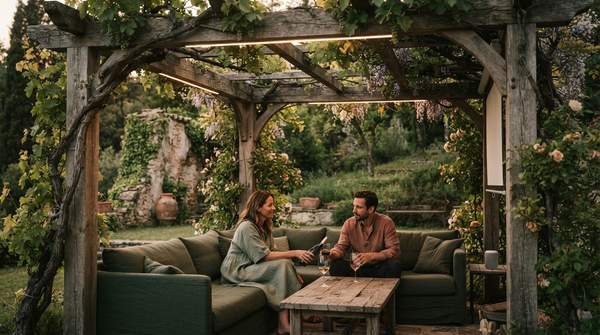
From Vine Support to Outdoor Room: A Timeline of the Pergola's Evolution
The pergola has evolved over millennia from a practical structure for supporting vines and providing shade to an elegant architectural statement, a romantic garden feature, and a functional modern outdoor room. Understanding its historical context helps in designing a pergola that enhances both aesthetics and functionality in contemporary gardens.

Choosing Classic American Architectural Elements for a Modern Renovation: A Practical Decision Framework
The secret to blending classic American architecture into a modern renovation is choosing elements whose materials can be sourced and proportions can accommodate modern systems. This guide compares Victorian trim, Colonial windows, and Greek Revival columns across aesthetic impact, sourcing challenges, and system compatibility.
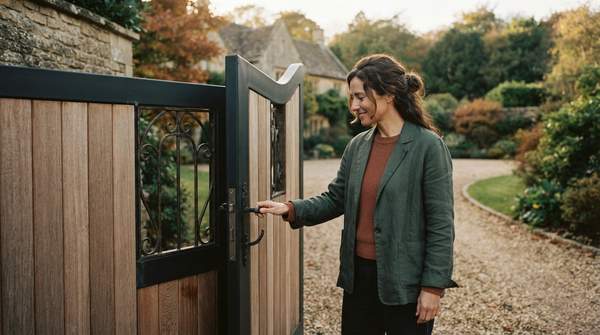
Modern, Traditional, or Bi-fold: Choosing the Estate Gate That Fits Your Property
Choosing an estate gate involves balancing style, functionality, and property constraints. This guide compares modern, traditional, and bi-fold designs based on aesthetics, materials, upkeep, and site suitability to help you select the ideal fit for your property.
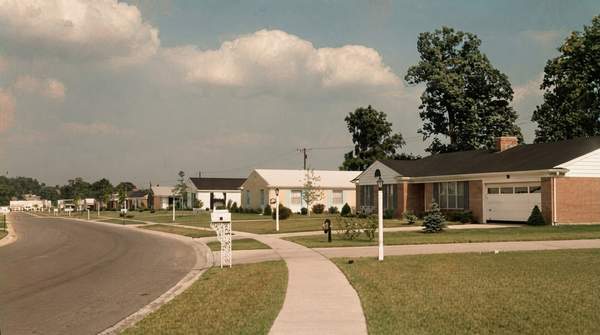
How to Spot an American Ranch House—and Renovate It Without Losing Its Soul
Learn how to identify the classic American Ranch house, characterized by its single-story, rambling design and strong indoor-outdoor connection. Discover principles for renovating these homes to preserve their unique architectural soul.

Curious About Exterior Pavers Designs Inc.? Here's the Rundown for San Carlos Homeowners
For San Carlos homeowners considering a hardscape renovation, Exterior Pavers Designs Inc. offers specialized services in interlocking paver construction. This family-owned company focuses on transforming outdoor spaces,…

From Useful Beauty to Sculptural Clay: How American Artisanal Pottery Became Art
American artisanal pottery evolved from the functional beauty of the Arts and Crafts movement to the sculptural expression of Studio Pottery, marking clay's transition into fine art. This article distinguishes between these two pivotal eras and their impact on ceramics.
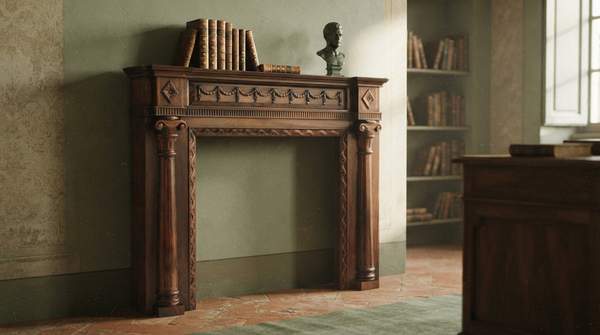
Identifying the Victorian Fireplace Mantel: A Style Guide for Homeowners Choosing Ornate, Historical Design
The Victorian fireplace mantel is defined by its bold, ornate design, featuring carved details, decorative tiles, and rich materials like marble. This guide helps homeowners identify these historical mantels and decide if their opulent style suits a modern interior.
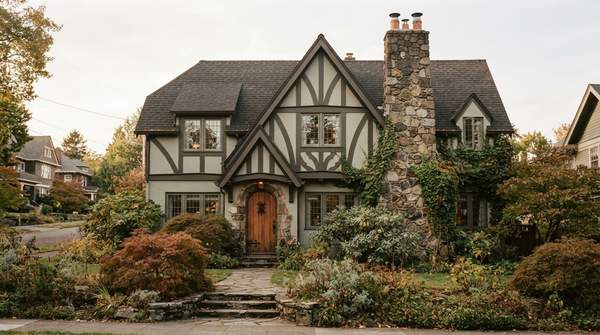
Steep Gables and False Timbers: How to Spot an American Tudor Revival Home
Learn to identify American Tudor Revival homes by recognizing their signature steeply pitched gables, decorative half-timbering, and asymmetrical designs. This guide breaks down key exterior and interior features to help you spot these charming early 20th-century houses.
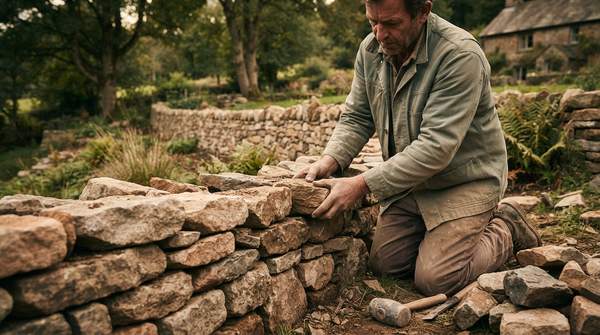
How to Build a Dry-Stack Stone Wall That Lasts: Six Rules and the One Mistake That Topples Walls
Learn the essential rules for building a durable dry-stack stone wall that lasts, focusing on gravity, friction, and interlock instead of mortar. Avoid common placement errors like "tracing" to ensure structural integrity and longevity.

Looking for Georgia-Sourced Bottled Water for Your Store? Ask Blue Real Spring Water
Blue Real Spring Water offers Georgia-sourced mountain spring water bottled directly in Dawsonville, ideal for retailers seeking a local product with a distinct North Georgia identity. The water is naturally alkaline, undergoes ozone treatment, and is available under the Blue Real Spring Water label in various BPA-free PET bottle sizes.

The Country Place Era: When American Estates Learned to Speak in Their Own Voice
The Country Place Era (c. 1895-1941) was a distinct American landscape design movement that treated wealthy estates as unique works of art, guided by the principle of "genius loci" or the spirit of the place. This era fused European traditions with a distinctly American sensibility, rooting designs in the unique character of each site.

Reading the Belief in the Wood: How Shaker Principles Became Furniture
Shaker furniture's iconic design, characterized by clean lines, functional forms, and honest construction, is a direct manifestation of the religious community's core principles of simplicity, utility, and honesty. Understanding these beliefs reveals how each piece serves as a physical expression of faith and continues to influence modern design.
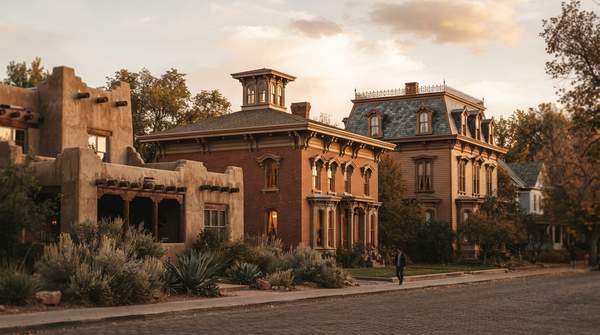
Three American Architectural Styles, Told by Their Rooflines: Pueblo Revival, Italianate, and Second Empire
Learn to identify three distinct American architectural styles by examining their unique rooflines. This guide explores Pueblo Revival, Italianate, and Second Empire, detailing their origins and signature features.

Two 2026 Rankings, Two Very Different Best Coffee Cities: Which One Fits Your Trip?
Discover two contrasting 2026 rankings for the best US coffee cities: WalletHub's data-driven list prioritizing density and affordability, and an expert panel's qualitative ranking celebrating coffee culture as a lifestyle. The article helps travelers choose their ideal destination based on these different definitions of 'best'.

Screw-Back or Push-Back, Ritani Lets You Choose How Diamond Studs Fasten
Ritani offers both push-back and screw-back fastening options for diamond stud earrings, allowing shoppers to choose based on convenience or security. This often-overlooked detail influences how earrings feel to put on, remove, and wear, making it an important consideration for regular use.

How Boutique Hotels Turn Local Culture Into a Guest Experience: The Four Pillars of Authentic Design
Boutique hotels achieve authentic guest experiences by integrating local culture through four pillars: narrative, materiality, artisan collaboration, and functional design. This deep integration distinguishes genuine sense of place from superficial theming.

Two Threads of American History: What Baltimore Album and Great Plains Quilts Reveal
American quilts serve as historical documents, with styles like Baltimore Album and Great Plains homestead quilts revealing distinct regional environments, social conditions, and cultural narratives of their time and place.

Stocking a Classic Home Bar: The Essential Spirits, Tools, and Glassware That Actually Work Together
Build a classic home bar with a curated selection of essential spirits, tools, and glassware. This guide focuses on functional items that enable a wide range of classic cocktails, rather than an overwhelming collection.
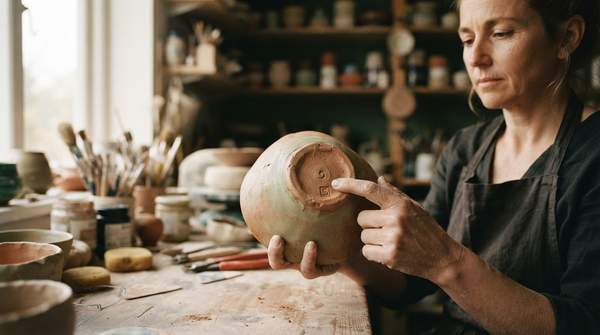
How to Tell If Pottery Is Handmade: A Collector's Diagnostic Guide
Distinguish handmade pottery from factory-made items by systematically examining visual clues like glaze and form, tactile sensations, and maker's marks. Understanding the production methods behind these characteristics helps collectors make confident assessments.

Faux Finishes Give Chicago Interiors an Artistic Edge With Artist Painters
Faux finishing offers Chicago interiors an artistic edge by creating decorative effects on walls, adding depth, movement, texture, or the appearance of other materials. Unlike murals, faux finishes enhance the surface itself, giving it personality and contributing visual character to a room.

Round Arches and Heavy Stone: How to Recognize American Romanesque Revival Architecture
American Romanesque Revival architecture is identified by its thick stone walls, deep-set windows, and prominent rounded arches, often featuring robust towers and asymmetrical facades. This style, heavily influenced by H.H. Richardson, emphasizes massiveness and permanence, making it distinct from Gothic Revival's verticality.
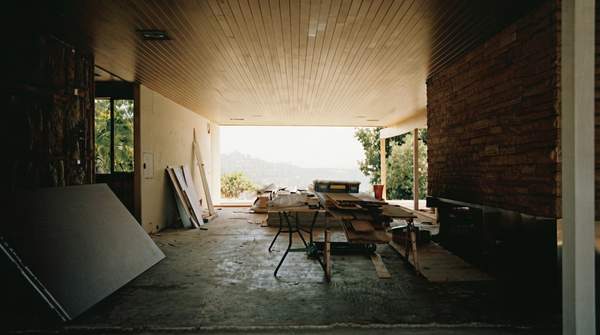
How to Blend Architectural Salvage Into a Modern Home Without Losing the Clean Lines
Successfully blending architectural salvage into modern homes requires intentionality, categorizing pieces by their role (decorative, functional, structural) and applying a deliberate aesthetic strategy like a focal point or layered texture to complement clean lines.

Seven Factors That Decide Whether a Historic Building Can Be Successfully Reborn
Successfully transforming historic buildings through adaptive reuse hinges on a dynamic interplay of seven key factors: architectural, economic, social, cultural, environmental, policy, and technical. Understanding these interdependencies is crucial for viability.

Companion Planting by Mechanism: A Science-Based Framework for Your Kitchen Garden
Companion planting is a legitimate practice when understood through its scientific mechanisms, such as pest deterrence, attracting beneficial insects, soil enhancement, and physical support. This guide provides a science-based framework to design your kitchen garden intentionally, moving beyond folklore to solve specific problems.