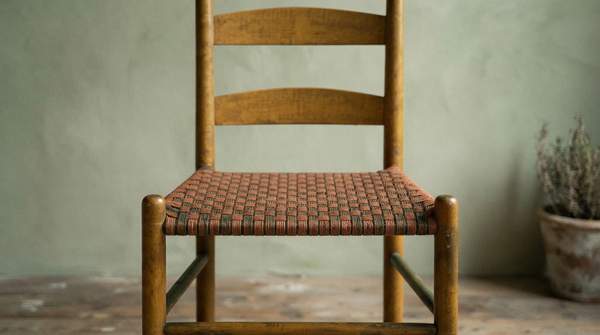
Shaker furniture looks the way it does because of what the Shakers believed. The style's clean lines, bare surfaces, and visible, robust construction are not merely an aesthetic preference; they are the physical expression of a religious community's guiding principles of simplicity, utility, and honesty. Once a reader understands that mapping, almost any piece of Shaker work can be read like a statement of faith.
The Enduring Appeal of Shaker Furniture
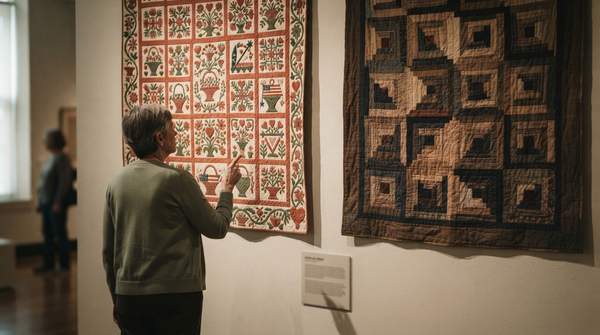
The furniture comes from the United Society of Believers in Christ's Second Appearing, a religious group known as the Shakers, whose communities date to the 18th century. As the Metropolitan Museum of Art's curatorial essay explains, the guiding principles of honesty, utility, and simplicity found expression across the Shakers' crafts, including furniture, boxes, and textiles, all renowned for minimalist design and unstinting quality. Writing for Weaver Furniture Sales, Denise Garms notes that the style remains famous for its clean lines, minimalism, and practicality, and that it continues to influence interior design across the United States and beyond. The appeal endures precisely because the furniture was never designed to impress; it was designed to serve.
Simplicity: The Essence of Shaker Design
Simplicity in Shaker work is an absence with a purpose. There are no fancy veneers or excessive ornamentation, as collectors Peter and Eloise Smyrl observe in their essay for the National Gallery of Victoria, which describes being drawn to the furniture's plainness and adaptability. The Vitra Design Museum frames the same idea more strongly: the Shaker community, founded in the 18th century, viewed design as a crucial expression of religious faith, producing radically simple, functional objects. In a conversation curated for Vitra's magazine, Jerry Grant puts it plainly: "Shaker design wasn't about embellishment but about creating functional beauty." Ornament, in this worldview, would have been a distraction from the object's true purpose.
Utility: Form Follows Function
Utility means that every element of a piece serves a practical end. The Shakers did not treat craftsmanship as separate from their faith; as one Shaker expert explains in the Vitra conversation, every action, from farming to furniture-making, was an expression of spirituality. That conviction pushed design decisions toward usefulness: drawers that open smoothly, chairs that support daily life, surfaces that work. The NGV essay captures the practical result in the collectors' own words: the furniture "was made to be used and we continue to use ours every day." A Shaker chair earns its keep, and its form records that obligation.