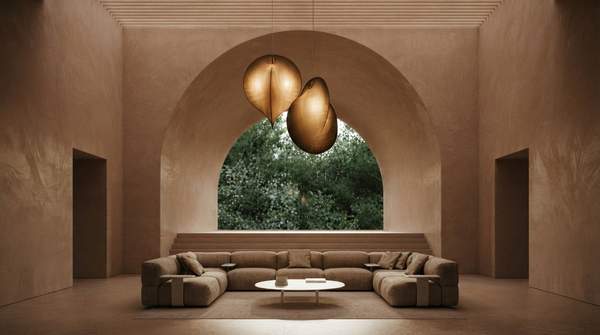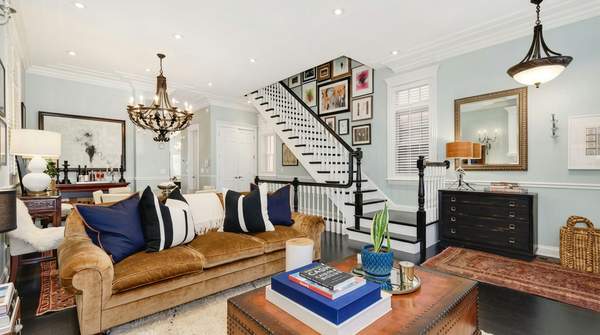
Sometimes a wall needs something more interesting than a single, uniform color. You might love the warmth of an aged surface, the subtle variation of a painted glaze, or the depth created when several tones appear to move across the same wall.
Faux finishing offers a way to make the surface itself part of the design. Unlike a mural, which introduces a recognizable image or scene, a faux finish creates a decorative effect through the appearance of the painted material. Artist Painters brings a background in creative painting and established faux-finishing work to its broader residential painting practice in Chicago.
Give the Surface Its Own Personality
A conventional painted wall generally aims for consistent color and finish. Faux painting introduces deliberate visual variation, using decorative effects to create the impression of depth, movement, texture, or another material.
The treatment can be understated. A softly varied surface may appear almost uniform at first glance, then reveal differences in tone as the light changes throughout the day.
A stronger effect can make the wall a dominant decorative feature. The important choice is how much attention you want that surface to command.
This gives faux finishing a different role from ordinary wall painting. Instead of serving exclusively as a background for artwork and furniture, the painted surface contributes its own visual character to the room.
Think Beyond the Traditional Accent Wall
An accent wall often relies on a contrasting color. Faux finishing can create emphasis through tonal changes and surface effects, even when the palette remains close to the colors used elsewhere.
A narrow wall behind a console might benefit from subtle visual depth. An alcove or recessed area could provide a contained place for a more expressive decorative treatment.
The location affects how the result is experienced. A surface visible from the doorway becomes part of the room’s first impression, while a finish inside a niche may reward closer attention.
For that reason, the most interesting location is not automatically the largest wall. A smaller, well-chosen architectural feature may offer enough presence without competing with the rest of the interior.
Separate Faux Finishing From Custom Murals
Artist Painters is known for its creative painting work, including commissioned murals. Faux finishing belongs to the same broad artistic category, but the two approaches serve different purposes.
A mural typically introduces imagery, whether representational, abstract, or graphic. Its design becomes a distinct artwork within the space.
Faux finishing works through the appearance of the surface. The visual interest may come from layered color, an aged effect, or the suggestion of a texture rather than a recognizable illustration.
The distinction gives you another way to think about creative painting. You can want an artistic interior without wanting a scene, figure, or large graphic on the wall.
Artist Painters has experience in both areas. In a 2018 interview, Gene Pellegrene described faux-finishing work and four murals completed for Chicago’s Tuco and Blondie restaurant, with design concepts by Grip/Space Architects and Planners.
That documented project illustrates the company’s creative painting background without suggesting that every decorative technique or material is automatically part of its current service range.
Let the Room Guide the Effect
Decorative finishes rarely work in isolation from the room around them. The flooring, trim, architecture, furnishings, and lighting all affect how a visually active wall will feel.
A living room filled with patterned upholstery and colorful artwork may benefit from a restrained finish. A simpler interior might accommodate a more prominent treatment without looking crowded.
Color temperature matters too. Warm ochres and muted earthy tones can bring a different atmosphere from cool grays or layered blues, even when the finish has a similar degree of variation.
Think about the room’s existing features before settling on an effect. A decorative finish that relates to the architecture may feel more convincing than one selected only because it looks dramatic in a photograph.
Artist Painters’ wider painting services include color and finish guidance. That establishes a useful starting point for discussing how a proposed decorative treatment should relate to the existing interior.
Consider How Lighting Reveals the Finish
Light can change the appearance of a faux-painted surface considerably. Diffuse daylight may soften the transitions between tones, while directional lighting can make variation more pronounced.
A wall facing a large window may behave differently from one located behind the primary seating area. Decorative fixtures can also draw attention to sections of the finish that might be less noticeable during the day.
For a project intended to have subtle visual depth, those changes deserve consideration before the final colors and effect are selected. A strong contrast that looks appealing in one lighting condition may feel more dominant under another.
The relationship between light and painted surfaces is familiar territory for Artist Painters. Its residential work includes interior walls, trim, ceilings, color matching, and finish consultation, alongside its creative painting background.
Find the Right Balance of Detail
The appeal of a faux finish often lies in controlled variation. Too little contrast may make the effect difficult to notice, while an overly busy treatment can distract from nearby furnishings or architectural features.
Consider the distance from which you will usually see the wall. A decorative effect behind a dining table is experienced differently from a finish in a narrow hallway, where you may pass close to the surface.
The scale of the room also affects the decision. Repeating a prominent decorative pattern across a large area can create a stronger impression than using a similar treatment on a contained feature.
Instead of choosing the most elaborate effect available, identify the kind of visual response you want. Softness, warmth, depth, and contrast each suggest a different artistic direction.
Make Surface Condition Part of the Conversation
Decorative painting still depends on the wall beneath the finish. Existing paint, previous repairs, cracks, and surface texture can influence which treatments are appropriate.
Artist Painters provides interior surface preparation and painting, including patching, sanding, caulking, and priming where needed. Its established work also covers selected drywall and plaster repairs.
Those services may be relevant when the intended decorative surface needs attention before painting. The precise preparation for a faux-finish project should be determined by the wall’s condition and the agreed decorative treatment.
The existing surface can also influence the visual result. A finish intended to have a smooth appearance presents different considerations from one that deliberately emphasizes irregularity.
Addressing the wall’s condition early helps keep the artistic idea connected to a practical painting proposal.
Bring an Idea, Not a Finished Technical Specification
You do not need to know the professional name of a decorative technique to describe the effect you want. Photographs of interiors, color combinations, and examples of surfaces you admire can provide useful references.
Explain which part of each reference appeals to you. You may like the softness of its tonal variation, the aged appearance of its surface, or the contrast between the decorative wall and simpler surrounding finishes.
Also describe the location. A small alcove, fireplace wall, hallway feature, or full room represents a different amount of work and visual commitment.
Artist Painters offers free itemized painting quotes across Chicagoland. The inquiry is an appropriate place to describe the desired effect and establish which decorative approaches are suitable for the current project.
Frequently Asked Questions
What is faux finish painting?
Faux finishing is decorative painting that creates visual effects such as depth, tonal variation, or the appearance of another surface. Artist Painters has documented experience with faux-finishing work as part of its creative painting background.
Has Artist Painters completed faux-finishing projects in Chicago?
Yes. Artist Painters’ Gene Pellegrene described faux-finishing work completed for Tuco and Blondie restaurant in a published 2018 interview. The project forms part of the company’s documented creative painting history.
How is faux finishing different from a mural?
A faux finish emphasizes the decorative appearance of the painted surface, while a mural introduces a composed image or design. Artist Painters has experience in both creative categories, although the appropriate approach depends on the intended project.
What should I include in a decorative painting inquiry?
Provide Artist Painters with the location and approximate size of the surface, its existing condition, and examples of the effect you want. These details can guide a discussion of suitable decorative painting options and the proposed scope.
Give Your Interior a Different Kind of Artwork
A faux finish can make a wall memorable through color, depth, and subtle visual variation. Artist Painters’ history of creative painting offers a relevant starting point for considering this kind of interior treatment.
Choose the surface you have in mind and request a decorative painting quote. Include photographs or references that capture the effect you like so the available techniques and project requirements can be discussed before work is agreed.