Adidas x Someone Somewhere El Tri Collection Weaves 150+ Artisans' Traditions

Over 15 months, 150 indigenous women artisans in Naupan, Puebla, meticulously brought 100,000 unique embellishments to life for Adidas's new Mexico World Cup jersey.

EV
Elijah Vance

June 6, 2026 · 4 min read

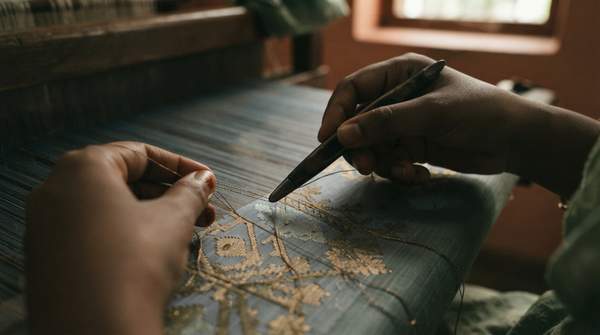
Close-up of indigenous artisan's hands embroidering intricate details onto the Adidas Mexico World Cup jersey, showcasing traditional craftsmanship.

Over 15 months, 150 indigenous women artisans in Naupan, Puebla, meticulously brought 100,000 unique embellishments to life for Adidas's new Mexico World Cup jersey. These intricate details, crafted in three dedicated embroidery workshops, affirm a deep commitment to traditional artistry and the enduring spirit of local skill, as reported by My Modern Met. Each stitch, a testament to inherited expertise, enriches the tactile quality of the Adidas x Someone Somewhere El Tri Collection 2026 for the Mexico National Team’s third kit, merging global sport with ancestral heritage.

Global sportswear manufacturing typically prioritizes speed and immense scale, often sacrificing individualized detail. Yet, Adidas deliberately invested significant time and resources into integrating slow, handcrafted artisan work for this high-profile collection. This choice starkly contrasts the industry's conventional reliance on rapid, mechanized production, marking a calculated departure from mass-market norms.

This collaboration signals a growing trend. Major brands will increasingly seek authentic, culturally rich partnerships to differentiate premium products and connect with discerning consumers. This approach sets a new standard for ethical and culturally integrated product development across global fashion and sportswear.

Beyond the Pitch: Weaving Culture into Global Sportswear

Adidas and Someone Somewhere collaborated with over 150 indigenous women artisans from Naupan, Puebla, Mexico, to create a limited-edition Mexico 2026 Third jersey, as reported by House of Heat°. This engagement extends beyond the primary kit. It includes a special “Artisan JSY” version of the shirt, featuring distinct embroidered detailing and a refined polo-style collar, according to Goal. This deliberate integration of handcrafted elements transforms the garment from functional sportswear into a piece rich with cultural narrative and artistic value. The ‘Artisan JSY’ is not merely a variant; it is a statement, signaling Adidas’s intent to blur the lines between athletic apparel and wearable art.

The collaboration’s reach expands further. Adidas Originals and Someone Somewhere also launched a new collaborative lifestyle collection alongside Mexico's third jersey, as noted by SoccerBible. This broader collection extends the artisan's intricate touch to everyday wear and accessories. By featuring indigenous women artisans prominently and expanding into lifestyle products, Adidas cultivates a more holistic brand experience. This positions the brand as a patron of heritage, not just a manufacturer. This move suggests a future where cultural authenticity becomes as crucial as athletic performance in defining a brand's identity.

A Blueprint for the Future of Brand Authenticity

Based on 15 months of artisan labor for only 2,026 units, Adidas prioritizes brand narrative and perceived exclusivity over traditional volume sales. This marks a shift in how global sportswear giants define 'premium' in an increasingly commoditized market.

  • The complete collection has been formally entered into the Adidas archive at the company's headquarters in Herzogenaurach, Germany, as reported by My Modern Met. This confirms its enduring historical and strategic value.
  • The limited-edition jersey, with its striking 'Black' base and vibrant green, red, and white accents inspired by the Mexican flag, is strictly capped at 2,026 units, states House of Heat°. This controlled scarcity confirms its exclusive positioning.
  • The shirt features a subtle, tonal ‘MX’ graphic pattern, a retro-inspired Adidas Originals trefoil logo, and the resonant message “Somos México,” according to Goal, deepening its cultural resonance.

Archiving this collection and embedding national symbols within its design establishes it as a significant cultural and brand milestone. It sets a compelling precedent for future collaborations blending indigenous heritage with global commerce. The entire limited-edition jersey is capped at 2,026 units, according to House of Heat°. However, Goal.com describes an ‘Artisan JSY’ as a ‘special version’ of the shirt. This implies Adidas creates distinct tiers of 'limited edition' products, each with varying degrees of handcrafted integration. This innovative approach allows Adidas to invest deeply in cultural capital, positioning itself as a conscientious patron of heritage. This strategic move could redefine authentic engagement within the global fashion industry.

The Impact: Empowering Artisans, Enriching Brands

  • Artisan women from Puebla, Mexico, are prominently featured in the comprehensive rollout for Team Mexico's Adidas World Cup Kit, according to Hypebeast. This transforms the jersey from a mere sports garment into a powerful vehicle for social narrative and purpose-driven brand storytelling.
  • Adidas has launched a lifestyle collaboration with Someone Somewhere, showcasing meticulously handcrafted details created by artisan women from Puebla’s Sierra Norte region, as detailed by Goal. This extends cultural impact beyond athletic apparel into everyday fashion.
  • The partnership directly involved 150 artisans from the state of Puebla, according to My Modern Met. This provides tangible economic opportunity, global recognition for traditional craft, and a vital platform for cultural preservation.

Major brands achieve market differentiation and positive social impact by authentically integrating traditional craftsmanship and empowering local communities, as demonstrated by this collaboration. By creating an exclusive 'Artisan JSY' alongside a broader lifestyle collection, Adidas employs a sophisticated halo effect. This strategy leverages the artisan product's cultural cachet and perceived luxury to elevate the value of its wider, mass-produced offerings. This model offers a robust blueprint for future brand engagement, where cultural capital and ethical production become critical assets.

In Q4 2026, other global sportswear companies will likely examine this Adidas initiative closely, as similar artisan collaborations appear poised to enhance brand authenticity and solidify market position.