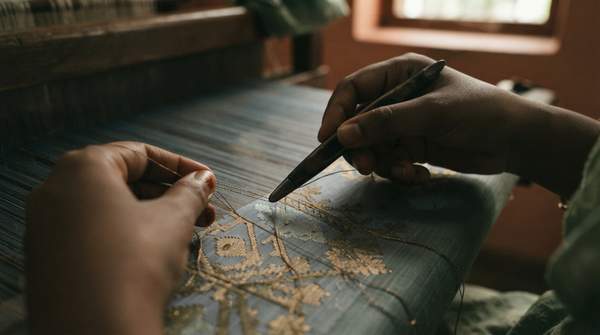
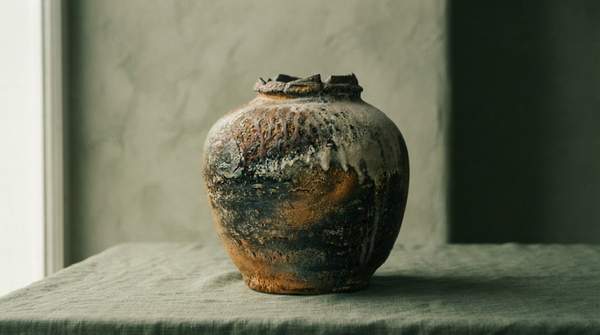
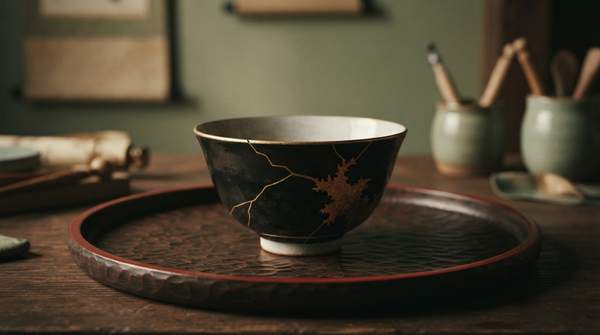
Zishta works with over 650 artisans across 15 states, reviving more than 100 traditional crafts. A decade-long effort, detailed by The New Indian Express, demonstrates a powerful global resurgence of artisanal practices, committed to cultural preservation and economic viability.
Traditional crafts root in ancient techniques and wisdom, yet their contemporary resurgence often powers through modern digital tools and global networks. This tension between historical methods and present-day innovation defines craftsmanship's current landscape.
The future of traditional craftsmanship thus appears to fuse ancestral wisdom with contemporary innovation, ensuring continued relevance and economic viability. A new generation of Bangladeshis, for instance, actively revives traditional handicrafts, moving them from Dhaka's alleys to Instagram feeds, reports The Financial Express.
The Modern Loom: Weaving a New Future for Crafts
Dedicated efforts and innovative approaches make traditional crafts accessible and appealing, fostering both skill and appreciation among contemporary audiences. This global movement ensures ancient techniques find new life and purpose.
1. Zishta
Best for: Consumers seeking authentic Indian cookware and home essentials with a rich cultural narrative.
Zishta has spent a decade reviving traditional Indian cookware, dinnerware, and handcrafted home essentials. Its Hyderabad flagship, an experience center, lets visitors explore the stories, science, and significance of India’s traditional materials and craftsmanship, reports The New Indian Express. This emphasis on utility, sustainability, and cultural heritage makes Zishta a beacon for preserving and promoting India's craft legacy.
Strengths: Direct artisan support, comprehensive cultural education, focus on material honesty, sustainability. | Limitations: Primarily focused on Indian crafts, may have higher price points due to artisanal production. | Price: Mid-range to premium, reflecting handmade quality and cultural value.
2. Online Platforms & Social Media
Best for: Artisans reaching global markets and younger generations discovering heirloom crafts.
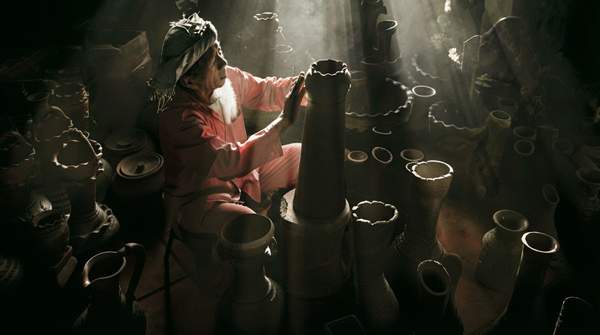
Online platforms and social media enable artists and consumers to embrace high-quality craftsmanship through independent retailers. These digital avenues help younger generations rediscover heirloom cookware, regional recipes, and handcrafted products, bolstering the traditional crafts revival. They offer creatives a platform to thrive, share ideas, and learn new skills, reports cosimo. The implication is clear: digital tools are not just sales channels, but vital community builders for a dispersed craft ecosystem.
Strengths: Global reach, direct-to-consumer sales, community building for artisans, low barrier to entry for sellers. | Limitations: Market saturation, challenges in standing out, reliance on digital literacy. | Price: Varies widely, from accessible to high-end, depending on the craft and artisan.
3. Artisans Angkor
Best for: Young people in Cambodia seeking vocational training and sustainable employment in traditional arts.
Artisans Angkor provides vocational training to young Cambodians in carving and lacquering, ensuring the transmission of ancient artistic skills. This initiative preserves cultural heritage while offering vital economic opportunities, according to artbusinessnews. Its success highlights how targeted vocational training can directly combat rural poverty while safeguarding invaluable cultural practices.
Strengths: Direct skill transfer, youth empowerment, cultural preservation focus, sustainable employment. | Limitations: Geographic specificity, potential for limited craft scope. | Price: Products typically range from accessible souvenirs to higher-value art pieces.
4. New Generation of Bangladeshis
Best for: Consumers interested in vibrant, reinterpreted traditional Bangladeshi handicrafts and cultural expression.
A new generation of Bangladeshis actively brings traditional craftsmanship back, with handicrafts appearing from Dhaka's alleys to Instagram feeds and pop-up markets. This youth-driven movement re-energizes ancient traditions for modern relevance, as reported by The Financial Express. Cultural revival is often most potent when driven by the very demographic it seeks to engage.
Strengths: Youth engagement, fresh interpretations of tradition, local economic growth. | Limitations: Scalability challenges, potential for market inconsistencies. | Price: Generally affordable to mid-range, reflecting local production and emerging market.
5. Creative Fibre Whanganui / Whanganui Spin-In
Best for: Local community members interested in fibre crafts, skill-sharing, and community events.
Creative Fibre Whanganui hosts its biennial event, the Whanganui Spin-In, inviting wool enthusiasts and the curious. This event celebrates a clear revival in fibre crafts like knitting, spinning, and weaving, contributing to local community engagement and skill preservation, states NZ Herald. Such community-led initiatives prove that the tactile joy of creation remains a powerful draw, even in a digital age.
Strengths: Community building, local skill preservation, hands-on learning opportunities, therapeutic benefits, customizable products, use of natural fibers. | Limitations: Limited geographic reach, event-based rather than continuous market presence, time-intensive production, skill acquisition can be demanding. | Price: Event entry fees, with materials and finished goods available for purchase; materials are accessible, finished products can range from affordable to luxury depending on complexity.
6. Contemporary Artists
Best for: Art collectors and enthusiasts seeking innovative craft interpretations that bridge tradition and modernity.
Contemporary artists infuse modern twists into practices like pottery, weaving, and calligraphy, ensuring these ancient forms remain relevant in contemporary culture. This artistic adaptation breathes new life into traditional techniques, according to cosimo. Their work proves that tradition is not static, but a dynamic foundation for endless innovation.
Strengths: Innovation, artistic expression, appeals to modern aesthetics, expands craft's audience. | Limitations: May deviate from strict traditional methods, higher price points reflecting artistic value. | Price: Often premium to investment-grade, depending on the artist's reputation and medium.
Digital Threads: Bridging Ancient Techniques and Modern Tools
The widespread adoption of digital tools by European craftspeople proves technology is not a threat, but a powerful enabler for traditional artistry. This integration is crucial for the evolution and expanded reach of ancient skills.
| Aspect of Digital Integration | Traditional Craft Context | Impact/Benefit | Source |
|---|---|---|---|
| Prevalence of Digital Tools | European Craftspeople | Nearly 70% incorporate digital tools, with over a third using them extensively. This enables broader market reach, efficient design, and improved communication. | artbusinessnews |
| Knowledge Preservation vs. Modernization | Ancient Wisdom Systems | The integration of digital tools with traditional knowledge systems allows for wider dissemination and modern application of generational wisdom, bridging a perceived gap between old and new. | The New Indian Express, artbusinessnews |
In Europe, nearly 70% of craftspeople now incorporate digital tools, with over a third using them extensively, according to artbusinessnews. The integration of digital tools highlights a necessary evolution: preserving ancient wisdom increasingly relies on modern technological support. Companies failing to equip artisans with modern technology risk isolating them from global markets and hindering the very preservation they aim to achieve. The confluence of digital precision and human touch offers an unprecedented opportunity for craft to flourish.
The Human Touch: Empowering Artisans Globally
The nonprofit Nest Inc. supports over 345,000 women artisans in 125 countries, demonstrating the profound human and economic impact of global support systems. The extensive reach of Nest Inc. reveals the craft revival as a powerful engine for global economic empowerment, particularly for women, reports artbusinessnews. The scale of this support suggests the craft revival is not merely a cultural movement, but a powerful, under-recognized engine for global development, demanding greater investment from development agencies and governments.
More Than Just Goods: Preserving Priceless Knowledge Systems
Preserving traditional crafts means safeguarding knowledge systems that remain profoundly relevant. These traditions represent generations of practical wisdom, emphasizinges The New Indian Express. This perspective views crafts not merely as products, but as living repositories of cultural heritage and sustainable practices.
The resurgence of crafts fundamentally safeguards invaluable intergenerational knowledge and practical wisdom, offering sustainable and meaningful alternatives. Zishta's decade-long effort to revive over 100 traditional crafts and establish experience centers demonstrates that the future of cultural preservation lies not in static museums, but in dynamic, commercially viable models that educate and engage consumers directly with the 'stories, science, and significance' of ancient wisdom. If current trends persist, traditional craftsmanship will likely evolve into a global network of interconnected, digitally-empowered artisans, ensuring their legacy and economic viability for generations to come.
Your Questions Answered
Are artisanal crafts a good investment in 2026?
Artisanal crafts can be a good investment, particularly those from established artists or with significant cultural heritage. Their value often appreciates due to their uniqueness, the skill involved in their creation, and their role in preserving traditional knowledge systems. Unlike mass-produced items, handmade crafts carry intrinsic value tied to human labor and cultural narrative.
What is the difference between artisanal and mass-produced crafts?
Artisanal crafts are typically handmade by skilled individuals or small groups, emphasizing unique design, material honesty, and traditional techniques. Mass-produced crafts, conversely, are manufactured in large quantities, often using machinery and standardized designs, prioritizing efficiency and lower cost over individual craftsmanship. The former offers a direct connection to the maker's story and heritage.