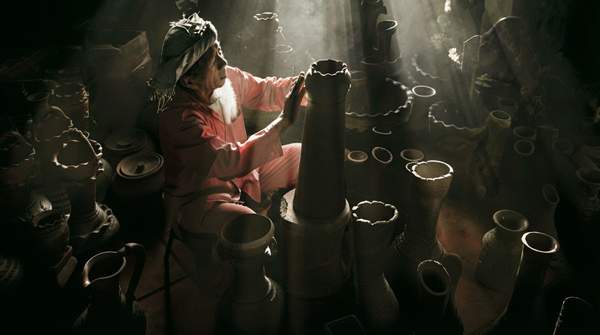
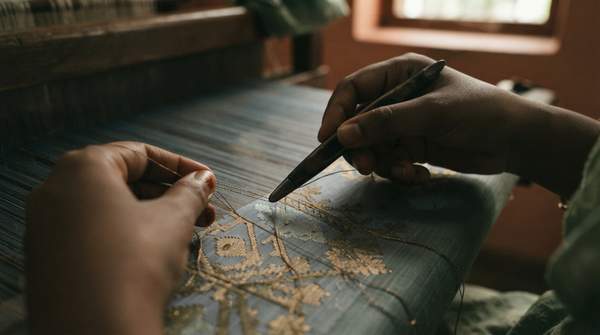
From Parisian runways to fast-fashion racks, indigenous designs frequently appear, often without recognition or fair compensation for the artisans who originated them. The frequent appearance of indigenous designs without recognition or fair compensation impacts communities from Andean weavers to African textile artists, transforming cultural expressions into mass-market trends. Traditional artisan crafts need commercialization to survive in a globalized economy. Yet, this very process often alters their aesthetic and risks cultural appropriation. Without intentional, ethical frameworks, the global market's engagement with traditional crafts risks eroding the heritage it purports to preserve, transforming cultural artifacts into mere commodities. This dilemma shapes the future of craft traditions.
The intricate beadwork of a Maasai necklace or the vibrant patterns of a Guatemalan huipil embody centuries of cultural narrative and skill. Global demand for such handcrafted items offers artisans a vital lifeline, providing income and sustaining livelihoods. Yet, market exposure brings significant pressures: designs are replicated without permission, traditional techniques adapted for faster production. Market exposure brings significant pressures, such as replicated designs and adapted traditional techniques, creating a tension between economic salvation and cultural dilution that defines modern craft preservation.
The Double-Edged Sword of Survival
Without commercialization, many traditional crafts face demise. Economic incentive for younger generations to learn skills diminishes. Jstor confirms local crafts would likely die without commercialization. This forces artisans into a stark choice: adapt for market appeal or risk complete disappearance. Market access provides vital financial stability for materials, workshops, and knowledge transfer.
However, reliance on external markets ties a craft's future to fleeting consumer trends. The imperative to sell can overshadow an item's original purpose, shifting its identity from sacred to commercial. The imperative to sell can overshadow an item's original purpose, shifting its identity from sacred to commercial, marking the beginning of a Faustian bargain for traditional crafts.
When Authenticity Meets the Market
Commercialization often demands substantial changes in traditional crafts' appearance and production. Jstor indicates such changes are common. Market demands for standardization, speed, and reduced cost drive this. Artisans may use cheaper materials, simplify complex designs, or alter color palettes for global appeal. These adaptations, while making crafts marketable, fundamentally diverge from original cultural forms and techniques. The drive for wider appeal compromises historical integrity.
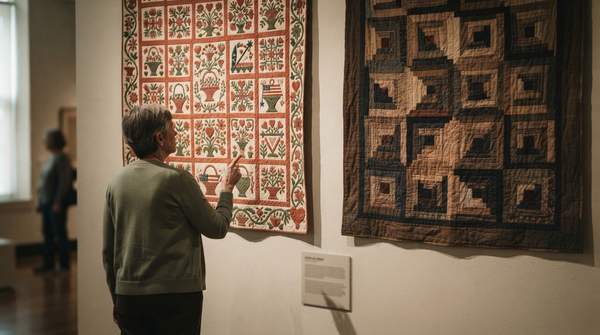
Saving traditional crafts, therefore, presents a Faustian bargain: artisans sacrifice authentic form for existence. A ritual object becomes a decorative item, losing profound meaning. Survival thus comes at the cost of authenticity, not preservation.
The Shadow of Cultural Appropriation
Traditional artisans face the severe ethical and economic problem of cultural appropriation. International brands, particularly in clothing, frequently incorporate indigenous designs without proper attribution or compensation. Colorado confirms this issue. International brands frequently incorporating indigenous designs without proper attribution or compensation transforms cultural appreciation into an extractive exploitation. Corporations profit immensely from designs holding deep cultural significance, representing generations of artistic development, while original creators receive no recognition, royalties, or fair economic benefit.
Global brands actively profit from indigenous designs without fair compensation, turning cultural appreciation into an extractive industry. Global brands actively profiting from indigenous designs without fair compensation, and turning cultural appreciation into an extractive industry, represents a significant injustice, stripping creators of recognition and economic benefit. Artisans are trapped: their craft either disappears or survives modified, vulnerable to uncompensated appropriation.
Navigating Ethical Consumption
How can consumers ethically support traditional crafts?
Consumers support traditional crafts by purchasing directly from artisans or through certified fair-trade organizations. These channels ensure more of the purchase price reaches creators, often funding community development. Seeking products with transparent supply chains verifies ethical practices.
What is the importance of preserving cultural heritage crafts?
Preserving cultural heritage crafts safeguards invaluable traditional knowledge, skills, and community identities. These crafts embody unique historical narratives, spiritual beliefs, and sustainable material practices vital for understanding human diversity. Losing a craft means losing a piece of shared human history and cultural wisdom.
What role do intellectual property rights play in protecting artisan crafts?
Intellectual property rights, though complex for collective traditional knowledge, offer a legal framework. Initiatives explore geographical indications or collective trademarks to safeguard indigenous designs, ensuring communities retain ownership and control. This prevents unauthorized replication and ensures fair compensation for cultural expressions.
If consumer awareness and legislative efforts continue to strengthen, organizations like the World Fair Trade Organization (WFTO) could help ensure that crafts like the intricate textiles of Oaxaca appear more likely to thrive authentically, rather than succumb to uncredited assimilation.