Luxury properties are not priced by size alone. The features that move a high-end home's value most dramatically fall into three working categories: rare craftsmanship and materials, lifestyle-enhancing amenities, and distinctive design. Studies cited across market analyses suggest the payoff is real and measurable. Research attributed to MIT found homes with thoughtful architectural features saw value increases of up to 27%, while separate UK analysis puts the boost from unique architecture at 12% for an average home, rising to 19% among properties valued at £1 million or more. Understanding which category a feature belongs to is the key to judging whether it genuinely adds value or merely adds cost.
The Hidden Value of Architectural Distinction in Luxury Homes
Evaluating a luxury property demands more than calculating square footage or consulting neighborhood averages, as mortgage-industry guidance on luxury appraisals makes clear. A certified luxury appraiser looks instead at premium materials, distinctive architectural design, and upscale amenities such as home theaters, wine cellars, or luxury outdoor living areas. Location shapes desirability too: proximity to private schools, fine dining, cultural attractions, or waterfront and skyline views raises both appeal and appraised value. The lesson for buyers and owners is that value in this tier is created by what cannot be duplicated by the neighboring listing — the details that make a property singular rather than merely large.
Framework for Value: Craftsmanship and Materials
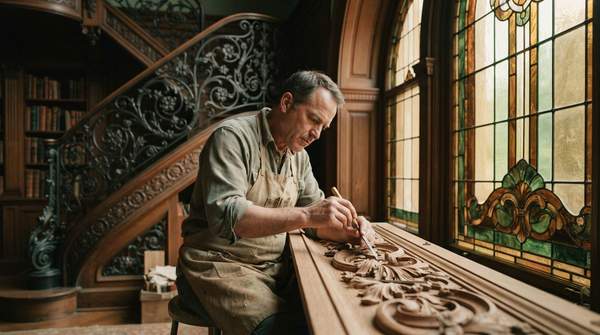
The first value driver is material rarity and execution. The "Art-Value" approach to pricing historic mansions, described by Ryan Brown of Own Luxury Homes, treats exceptional estates as works of art rather than standard real estate assets. Under that lens, hand-carved woodwork, original stained glass, and rare stonework contribute directly to an estate's artistic value, while homes designed by renowned architects or representing rare styles command higher prices. A mansion's story — its previous owners and historical events — enhances appeal further. Crucially, this framework holds that such craftsmanship is often not reflected in standard appraisals, meaning rarity creates a value layer that conventional metrics miss. For a buyer, that cuts both ways: it is an opportunity to acquire underpriced distinction, and a warning that the standard appraisal understates what the property is worth.
Framework for Value: Lifestyle Enhancements
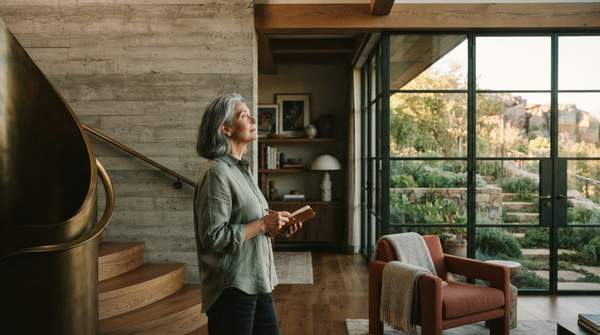
The second driver is how a home supports the way its owners actually live. Luxury is personal, as Florida builder London Bay Homes frames it, and the best architectural details enhance daily living while reflecting the homeowner's lifestyle. Wellness retreats with spa-inspired bathrooms, entertainment-ready spaces with smart technology, and custom wine storage are the cited examples — tailored touches that make a home not only more functional but more memorable in a competitive luxury market. Ann Marie McManus's real estate commentary adds that smart homes equipped with technology for security, temperature control, lighting, and entertainment are increasingly in demand, providing convenience and safety that add to a property's appeal. These features translate into value because buyers pay for the experiences a house enables, not just its footprint.
Framework for Value: Unique Design and Aesthetic Appeal
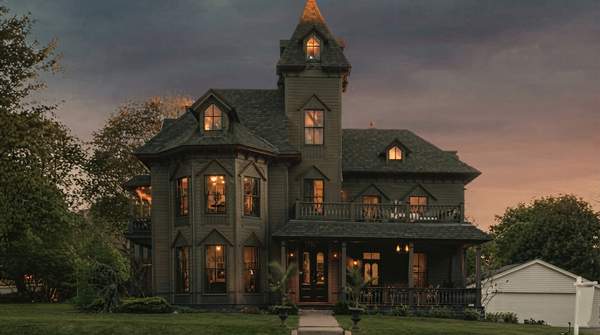
The third driver is the one MIT's research puts in strongest terms. Homes with thoughtful architectural features — appealing views, unique design elements, creative spatial arrangements, carefully chosen materials — experienced value increases of up to 27%, according to the study as reported by Lindsey Architects, against only 13% for homes with less appealing design. The architectural practice's own analysis explains the mechanism: an architect-designed home is often unique, offering more than functionality by providing a lifestyle, and distinctive features create stronger emotional connections with buyers. That emotional resonance can produce faster sales and higher asking prices. A separate real estate study cited in the same source found high-quality design could lift a property's price by as much as 12%, with homes valued above $1.2 million seeing a 19% boost.
Quantifying the Impact: How Design Translates to Market Value
The numbers hold up — and grow — at the top of the market. UK analysis reported by urdesignmag found that with the average home selling near £300,000, unique architecture could add roughly £36,000 in value. The effect does not "max out" at higher price levels; the opposite held true, with homes valued at £1 million or more gaining 19% on average from unique architectural features. Long-term appreciation follows the same pattern: an Australian study of architect-led renovations, cited by Lindsey Architects, found architect-designed homes increased in value by 200.7% over the study period versus 172.6% for non-architect-designed properties. The one trade-off flagged in the reporting is that making a property stand out through unique architecture can also increase how long it takes to sell — distinction narrows the buyer pool even as it deepens it.
Architectural Value Framework: Identifying Key Drivers
Use this matrix to categorize any feature you encounter in a listing or appraisal and identify the mechanism of its value contribution.
| Category | Examples of Features | Primary Value Driver | Quantifiable Impact |
|---|---|---|---|
| Craftsmanship & Materials | Hand-carved woodwork, original stained glass, rare stonework, eco-friendly materials | Rarity, quality, and artistic value; often absent from standard appraisals | Contributes to "Art-Value" pricing of historic estates |
| Lifestyle Enhancements | Spa-inspired bathrooms, smart home technology, home theaters, wine cellars, custom wine storage | Daily-living enhancement and memorability in a competitive market | Cited as key factors in luxury appraisals and buyer demand (Total Mortgage; London Bay) |
| Unique Design | Appealing views, creative spatial arrangements, unique design elements | Aesthetic appeal and emotional connection with buyers | Up to 27% value increase vs. 13% for less appealing design |
| Overall Impact | Unique architecture generally | Distinctiveness at higher price tiers | 12% on average homes; 19% for homes over £1 million / $1.2 million (urdesignmag; Lindsey Architects) |
The framework's practical use is diagnostic. When a feature is rare and materially superior — carved woodwork, original glass — its value rests on scarcity that appraisals may not capture. When it is a spa bath or smart systems, its value rests on lived experience and current buyer demand. When it is a view or a striking spatial composition, its value rests on the emotional connection MIT's figures suggest buyers will pay for. Most features pull from more than one column, but every defensible value claim should trace back to at least one.
Making Informed Decisions: Recognizing Architectural Value
Prioritize properties that exhibit superior craftsmanship, offer significant lifestyle enhancements, or possess unique, appealing design elements, as these features demonstrably increase market value — by as much as 27% in the MIT-reported research, and without diminishing at luxury price points. The tangible check: a property's listing description or appraisal report should explicitly highlight custom features, unique design elements, or high-quality materials, rather than relying solely on square footage or basic amenities. If those distinctive details are absent from the documents, the premium asking price likely is too.
Sources
- Maine Coastal Architect | Custom Homes & Renovations — Lindsey Architects
- Unique Architecture Boosts Home Value | 12-19% Higher Prices — urdesignmag
- How Luxury Homes Are Appraised: Key Factors That Impact Value — Total Mortgage
- The Art-Value Approach: How to Price Historic Mansions Beyond Traditional Comps — Own Luxury Homes
- Architectural Details That Elevate Your Home’s Value — Londonbay
- Selling Real Estate: How Architecture Impacts Property Value | Blog — Ann Marie McManus