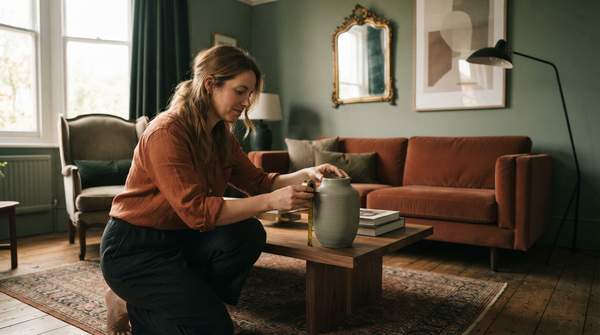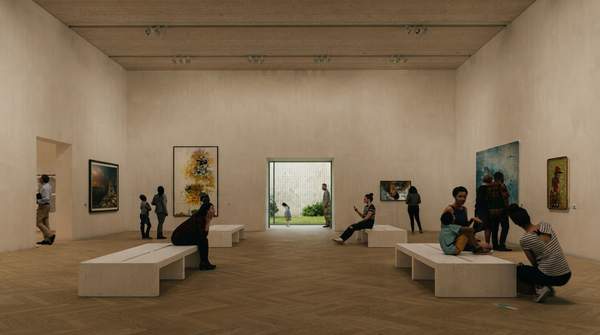
Building a personal art collection for your home comes down to two disciplines: define a guiding theme before you buy, and then test every potential purchase against a consistent set of questions covering emotional connection, fit with your interior, and cohesion with what you already own. Interior designers and gallery professionals converge on this process from different directions, and their shared conclusion is reassuring—anyone can curate, and the strongest collections are built on personal resonance rather than rules or trends.
Why Curate Art for Your Home?
A curated collection does more than fill walls. Art collector and writer Jeffrey Hayes puts the stakes in personal terms: "When you collect art, you're not buying things. Instead, you're making a statement about exactly who you are." The collection you build, he writes, is a mirror that reflects your dreams, quirks, sense of humor, and your own understanding of beauty.
That reflective quality is what separates curation from decoration. Spoonbill Gallery's guide describes curating as a conductor orchestrating a symphony—each artwork an instrument, harmonized into a cohesive whole—and insists it is a skill anyone can cultivate, not a privilege reserved for museum professionals. Interior designer Susan Bednar Long makes the practical case from the design side: creating synergy between your collection and your space "isn't just aesthetically pleasing; it's transformative." Art, as Alice Lane Interior Design frames it, tells the story of your home and is the best way to enhance a mood.
Step 1: Define Your Collection's Personal Theme
Before you buy anything, spend time in self-reflection. Minted's curation guide calls choosing art for your home "an exciting journey of self-discovery," and recommends decoding your aesthetic preferences first—figuring out what type of art actually speaks to you. Interior designer and artist William McLure, writing in About Town, starts the same way: identify what is visually compelling to you and what you are consistently drawn to, beginning with style and composition.
Then give that attraction a shape. Grove Gallery's curatorial team suggests your collection's story might be chronological, tracing how your tastes evolve; thematic, organized around nature, travel, or abstraction; or built on color and texture. The key, they emphasize, is cohesion—a collection should feel curated, not random. Spoonbill Gallery recommends reflecting on both your personal style and the theme of your home decor together, so the vision you form serves the space as well as your taste. Write the theme down; it becomes the test every future purchase must pass.