The era of adhering to a single, rigid design style is fading. Today, the most compelling and personal interiors often arise from a thoughtful mix of different eras, palettes, and philosophies. An antique wooden stool beside an ultra-modern sofa can create a look that is eye-catching and unique, but successfully blending classic and contemporary elements is a delicate art. Without a clear approach, a room can feel disjointed or chaotic. The key to creating a cohesive and attractive space lies not in following strict rules, but in applying a few guiding principles that ensure balance and intention.
By establishing a dominant style, unifying disparate pieces with a consistent color palette, and carefully balancing the visual weight of your furnishings, you can create a home that feels both timeless and deeply personal. This framework moves beyond guesswork, offering a structured way to combine pieces you love into a harmonious whole.
Your Design Blending Framework
To avoid a space that feels like a hodgepodge of styles, designers rely on a set of core principles to guide their choices. These strategies create a visual thread that connects seemingly unrelated items, resulting in a room that feels intentionally curated. Applying this framework can help you diagnose potential clashes and confidently integrate classic and modern pieces.
Establish a Dominant Style with the 80/20 Rule
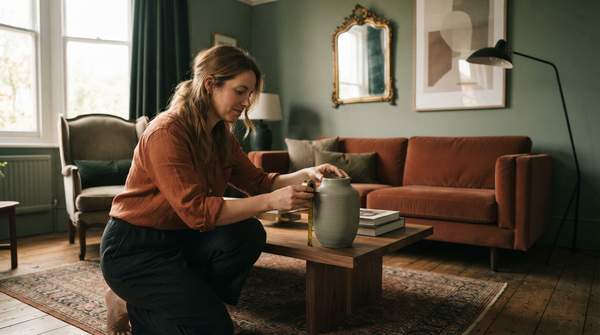
One of the most effective strategies for mixing styles is what some designers call the 80/20 rule. According to an article from the furniture company Zinus, this principle involves choosing one primary style to make up about 80% of your room, while the remaining 20% can be dedicated to a secondary, contrasting style. This approach ensures that your space has a clear and cohesive foundation, preventing it from feeling cluttered or unfocused. For example, a room could be predominantly modern, with clean-lined furniture and a neutral base, while 20% of the accents—like a traditional rug, ornate mirror, or classic piece of art—introduce character and contrast. This ratio makes the blend feel deliberate rather than accidental.
Unify Your Space with a Cohesive Color Palette
Color is a powerful tool for creating harmony between old and new. According to guidance from The Living House, an interior design service, sticking to a consistent color palette is a key trick to unify items from different periods. A shared color story can make a traditional fireplace tile feel perfectly at home with a modern vase or contemporary artwork. By repeating a few key colors throughout the room in both classic and modern elements, you create a sense of balance and rhythm. This allows you to maintain an eclectic feel without the space dissolving into a random collection of objects. The consistent palette acts as the glue that holds the diverse styles together.
Balance Visual Weight, Scale, and Placement
Achieving visual balance is crucial in any design, but it becomes especially important when mixing styles. Our eyes naturally seek symmetry and equilibrium in a space. An article from Zinus advises creating this balance by varying the heights of furniture and fixtures and ensuring that visually "heavy" pieces have a counterpart on the opposite side of a room or wall. For instance, a substantial, classic armchair could be balanced by a sleek, modern floor lamp and a side table on the other side of a sofa. Thoughtfully placed wall art and decor can also help distribute visual weight evenly. Paying attention to scale and leaving some negative space to reduce clutter are also essential for creating a room that feels both interesting and serene.