A recent survey revealed that 60% of homeowners regret a design choice made in the last two years, often directly attributing it to social media influence, according to the Home Decor Trends Report 2023. Social media promises endless inspiration for beautiful homes, yet it frequently delivers widespread regret over fleeting, impersonal design choices. Jeremiah Brent, a voice of reason in the design world, recently declared on a popular Design Talk Podcast that "beige is back, but not in the way you think, and some trends are just bad." He emphasized that true design reflects the homeowner's personality, not just fleeting popularity, a point echoed in an Elle Decor Feature. Rapid cycling of trends, coupled with expert warnings, suggests consumers prioritizing social media aesthetics over personal style will likely face increasing dissatisfaction and financial waste in their home decor.
The Fast Fashion of Home Decor
The digital realm has birthed a 'fast fashion' phenomenon for interiors, where trends flicker and fade with alarming speed. A 'viral' home decor trend on TikTok, for instance, typically lasts a mere 6-12 months before a new aesthetic takes hold, according to a Social Media Analytics Firm. This rapid churn fuels the rise of 'fast furniture' retailers, directly correlating with the fleeting nature of social media design, as noted by a Retail Industry Analysis. Algorithms, favoring engagement, often amplify visually striking but impractical designs, a pattern detailed in a Platform Algorithm Study. Consider the 'grandmillennial' trend: popular just two years ago, its search interest has already plummeted by 40%, according to Google Trends Data. The relentless cycle, driven by platform mechanics, makes discerning enduring value from ephemeral hype a significant challenge for homeowners.
Jeremiah Brent's Hit List: Trends That Won't Last
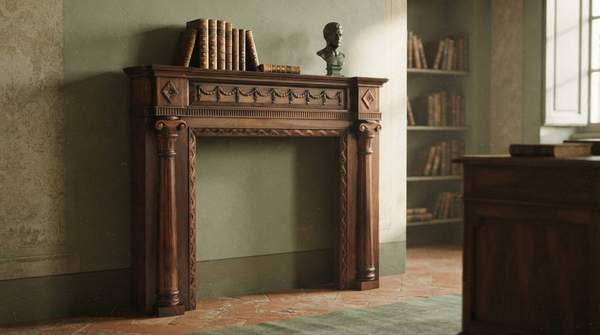
Jeremiah Brent offers a clear warning against specific trends destined for obsolescence. He pinpointed 'boucle everything' and 'fluted wood panels' as elements that will swiftly date a home, a caution shared in an Architectural Digest Interview. Beyond materials, Brent criticized the 'all-white minimalist' aesthetic, finding it devoid of warmth and character during a Designers' Roundtable. He also observed that 'accent walls' are often poorly executed, shrinking a room rather than enhancing it, a point from a Podcast Interview. Even the once-ubiquitous 'farmhouse chic' is now largely deemed overdone and generic by many designers, according to an Interior Design Forum. Examples reveal how seemingly appealing trends, when generic or impractical, can quickly diminish a home's aesthetic and personal narrative.
The Hidden Costs of Chasing Trends
The relentless drive to update homes for social media content carries a steep price, both financial and environmental. The pressure fuels increased waste and consumption, a concern detailed in an Environmental Design Journal. Homeowners, eager to stay current, spend an average of $500-$1000 annually on small decor items, a figure from a Consumer Spending Survey. Yet, this investment often depreciates quickly; a Real Estate Market Report found that homes with timeless designs retain higher resale value than those dictated by fleeting trends. Experts, as reported by Sustainable Living Magazine, advocate for quality, classic pieces as a more sustainable and cost-effective long-term strategy. The pursuit of transient trends not only depletes finances and personal satisfaction but also contributes significantly to ecological strain and diminished home value.
Designing for Longevity: Brent's Advice for a Timeless Home
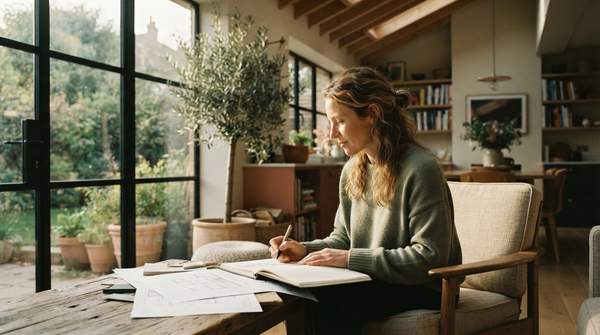
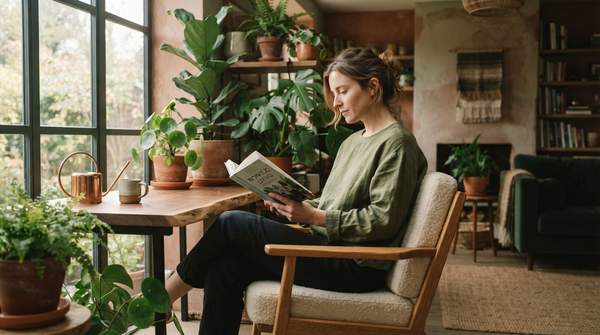
Against the backdrop of fleeting trends, Jeremiah Brent champions a design philosophy rooted in longevity and personal narrative. He advises homeowners to 'live in their space' before committing to major design decisions, allowing true needs to emerge, a tip from an HGTV Interview. His approach, detailed in his Design Masterclass, advocates for a harmonious blend of old and new, integrating personal heirlooms to craft truly unique environments. Brent's official website outlines his core philosophy: creating spaces that evoke emotion and tell a story. The deliberate, quality-focused method, prioritizing emotional connection over transient popularity, stands as a powerful antidote to the ephemeral dictates of social media trends.
Your Design Dilemmas, Answered
What design trends are out of style in 2026?
By 2026, Forbes suggests 'maximalist' decor and 'industrial farmhouse' aesthetics will wane, yielding to more subdued, nature-inspired palettes. While elements may linger, their widespread saturation diminishes distinctiveness. Prioritize what genuinely resonates with your home's architecture and personal taste.
Jeremiah Brent's design predictions for 2026?
Jeremiah Brent foresees a powerful return to authenticity and personal narrative in design, moving beyond fleeting fads. He predicts a heightened focus on natural materials, muted color palettes, and pieces imbued with history. Homeowners are encouraged to invest in items holding deep personal significance, rather than merely chasing online trends.
What are the most overused interior design trends?
Interior design forums frequently cite overly themed rooms—like 'all-boho' or 'all-Scandinavian'—and the excessive use of specific, mass-produced decor items as overused. Such approaches often strip homes of individuality, rendering them generic. Authentic style emerges from a curated blend, reflecting the homeowner's unique journey.