Design world trends and influencers shape 2027's intentional living

For 2027, the design world declares its Color of the Year to be "Luminous Blue," a confident, electric hue.

IL
Ingrid Larson

June 11, 2026 · 3 min read

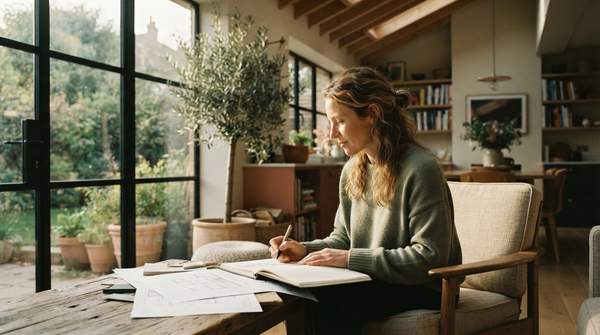
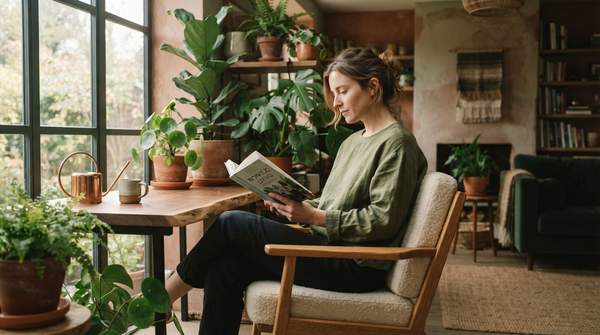
A modern living room showcasing the 2027 Color of the Year, Luminous Blue, balanced with natural elements for a tranquil and intentional atmosphere.

For 2027, the design world declares its Color of the Year to be "Luminous Blue," a confident, electric hue. This vibrant choice emerges even as other significant trends quietly emphasize profound human connection and tranquility, a direct response to a deeper societal need for solace within living spaces. The design industry champions this electric, confident color, yet simultaneously responds to a loneliness epidemic with trends focused on rest and connection, according to House Beautiful. The design landscape of 2027 is predicted to see a fascinating interplay between bold self-expression and a deeper, more introspective focus on human well-being, challenging designers to create spaces that serve both individual identity and collective emotional health.

The Dual Palette: Bold Expression Meets Tranquil Retreat

  • Luminous Blue is the Color of the Year for 2027, described as a confident, electric, sapphire-adjacent hue, according to Tradesourcefurniture.
  • Tradesourcefurniture simultaneously promotes Meadowland Green as a trend. This nourishing mid-green sits between forest and sage, evoking a sense of rest and carefree tranquility.

The industry's simultaneous embrace of these hues exposes a fundamental tension. It presents two opposing emotional states—bold confidence and calm retreat—as equally dominant, suggesting either a conflicted vision or a strategic attempt to cater to contradictory desires within the same market. This duality forces designers to navigate a complex emotional landscape, where a client might seek both a vibrant statement piece and a serene sanctuary within the same home. The implication is a demand for spaces that can fluidly transition between high energy and deep calm, challenging traditional notions of singular aesthetic identity. This isn't merely about color choice; it speaks to a broader societal need for versatility in personal environments, reflecting lives that demand both public assertion and private restoration. The challenge lies in weaving these disparate threads into a cohesive tapestry, where a splash of Luminous Blue might energize a creative corner, while Meadowland Green cradles a space for quiet contemplation, all within a single, thoughtful design.
Designing for Connection in an Age of Loneliness

Designers are responding to the loneliness epidemic by incorporating elements that foster connection and well-being, House Beautiful notes. A profound shift beyond mere aesthetics positions design as a tool for internal, emotional healing. Design's purpose moves beyond visual appeal to actively address mental and emotional health. The implication is clear: companies prioritizing superficial "electric" aesthetics risk alienating consumers who seek genuine emotional resonance and a deeper sense of belonging in their spaces. True innovation now lies in crafting environments that nurture the human spirit, not just the eye. A shift redefines luxury, moving from opulent display to the quiet comfort of genuine human connection and psychological solace within one's own walls. It suggests a future where the most coveted design elements are those that subtly encourage interaction, foster intimacy, and provide a sense of communal warmth, even in solitary moments. The very architecture of a home, from open-plan living areas to intimate nooks, becomes a silent facilitator of human bonds, a subtle antidote to isolation.

The Rise of 'Ritual Living' in Home Spaces

"Ritual living" emerges as a significant trend in the design industry, according to House Beautiful. The trend focuses on creating environments that facilitate specific human behaviors, transforming homes into intentional spaces for daily practices. The emphasis on "ritual living" integrates design deeply into daily routines, fostering mindfulness and intentionality. Successful design in 2027 is predicted to transcend mere visual appeal; it will actively engineer environments that facilitate mental well-being and combat societal isolation, making design a therapeutic practice. This suggests a future where the home is less a display of possessions and more a curated stage for personal growth and emotional resilience, offering a structured counterpoint to the chaotic demands of modern life. Such spaces become sanctuaries, not just shelters, meticulously crafted to support the rhythms of a well-examined life, from morning meditations to evening reflections, embedding purpose into every corner.

Navigating the Future of Intentional Design

Ultimately, the design landscape of 2027 appears poised to navigate a delicate balance, where the bold expression of Luminous Blue must find harmony with the quiet yearning for connection and tranquility, demanding an artistry that weaves individual identity with collective well-being to create spaces both visually striking and deeply nurturing.