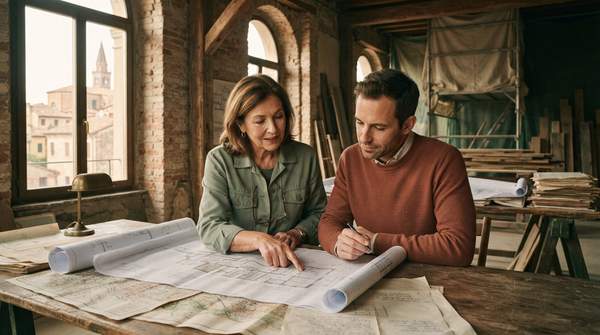
The number of skilled artisans capable of maintaining historic homes is decreasing faster than they are being replaced, according to Pasadena Now. The decreasing number of skilled artisans makes authentic preservation an increasingly rare and costly endeavor. Homeowners are drawn to the unique character of historic homes, but the specialized expertise and compatible materials required for proper preservation are becoming scarcer and more expensive. The widening gap between aspiration and reality means preserving the authentic character of historic homes will become an increasingly premium and challenging undertaking, potentially leading to more compromises on historical integrity unless significant investments are made in artisan training and homeowner education. By 2028, authentic historic home restoration is positioned as a luxury, not a widely accessible endeavor.
Maintaining a historic home's integrity and long-term value hinges on using compatible methods and materials. When repairing traditional elements like plaster, masonry, and vintage flooring, using materials that match the original in composition, size, profile, and finish is crucial to prevent long-term damage (Beyond Shelter). Homeowners must avoid covering original wood siding or details with modern materials like vinyl or stucco (Los Angeles City Planning); such incompatible repairs compromise the home's structural health and aesthetic appeal, eroding its unique character.
The True Cost of Authenticity
- $250–$500+ per square foot — Historic restoration projects commonly land within this range, according to Palm Club Design Group.
- 20–50% more — Homeowners should budget this increase compared to a typical remodel for historic home restoration, reports Palm Club Design Group.
- $3,840 or $48 per square foot — Repair or replication of plaster ceilings and walls is labor-intensive, costing an average of these figures, states Vanderbeken Remodel.
- Custom milling or specialty woodworking — Features like mantels, moldings, cornices, and stair railings raise both materials and labor costs, notes Vanderbeken Remodel.
The figures confirm that authentic historic preservation is a premium investment, reflecting the specialized labor and materials involved. The financial commitment extends beyond typical renovation costs, signifying a dedication to historical accuracy that few modern projects demand.
Navigating Specialized Skills and Regulations
The scarcity of specialized artisans, combined with stringent approval processes and precise material requirements, necessitates careful planning and a patient approach to historic renovations. Dwindling numbers of skilled craftsmen make securing proper expertise a primary challenge for homeowners; this shortage often dictates project timelines and overall feasibility, pushing authentic restoration into a niche market.
1. Original Siding Details
Best for: Homeowners prioritizing exterior historical accuracy and material honesty.
Compatible methods and materials are essential, matching original size, profile, detail, and finish (Los Angeles City Planning). Modern overlays like vinyl or stucco must be avoided; they cause long-term structural issues (Beyond Shelter).
Strengths: Preserves authentic exterior character; maintains property value. | Limitations: Requires specialized craftsman and period-appropriate materials; potential for lengthy approval processes. | Price: High, due to specialized labor and materials.
2. Original Wood Features (Trim, Built-ins, Millwork, Doors, Staircases)
Best for: Homeowners seeking to preserve interior architectural integrity and unique design elements.
Restoring original wood trim and built-ins is often more cost-effective than using modern reproductions (Alpha Wolf Construction). Covering original wood details with modern materials should be avoided (Los Angeles City Planning). Important features to protect include original woodwork (molding, trim, built-ins) and millwork (doors, staircases, newel posts, cabinetry) (Beyond Shelter).
Strengths: Adds significant historical value; often more durable than modern alternatives. | Limitations: Can be labor-intensive; requires skilled woodworking and finishing. | Price: Moderate to high, depending on condition and complexity.
3. Historic Windows (Original Wood Windows)
Best for: Homeowners committed to maintaining exterior aesthetics and improving energy efficiency without replacing original features.
Historic windows are architectural features worth preserving and can be upgraded for better energy performance while respecting history (Beyond Shelter). Properly restored original wood windows can outperform new vinyl windows in terms of performance and character (Alpha Wolf Construction). Older windows may require handcrafted replacements, custom hinges, or materials milled to match the original design, requiring skilled craftsmanship (Vanderbeken Remodel). The cost to restore original wood windows ranges from $400 to $900 per window (Alpha Wolf Construction).
Strengths: Preserves architectural integrity; can achieve modern energy performance. | Limitations: Restoration can be complex and time-consuming; requires specialized artisan skills. | Price: $400 – $900 per window.
4. Plaster Ceilings and Walls
Best for: Homeowners prioritizing authentic interior finishes and superior sound dampening.
Repair or replication is labor-intensive, costing an average of $3,840 or $48 per square foot (Vanderbeken Remodel). Repairing plaster walls is often a better option than replacing them with drywall (Alpha Wolf Construction). The cost to restore plaster walls ranges from $6 to $14 per square foot (Alpha Wolf Construction). Compatible methods and materials should be used for repairs (Beyond Shelter).
Strengths: Superior aesthetic and acoustic qualities; maintains historical accuracy. | Limitations: Highly skilled labor required; messy and time-consuming process. | Price: $6 – $48 per square foot, depending on extent of repair/replication.
5. Original Wood Floors (Refinishing)
Best for: Homeowners wanting to restore warmth and character to interior spaces cost-effectively.
Refinishing original wood floors is cheaper than replacing them and adds value to the home (Alpha Wolf Construction). The cost to restore original wood floors ranges from $4 to $9 per square foot (Alpha Wolf Construction). Compatible methods and materials should be used for vintage flooring (Beyond Shelter).
Strengths: Cost-effective preservation; enhances home value and aesthetic. | Limitations: Requires temporary displacement; can be dusty. | Price: $4 – $9 per square foot.
6. Original Stained Glass
Best for: Homeowners seeking to preserve unique artistic details and significant historical value.
Original stained glass is a major value driver for historic homes and should be restored rather than removed (Alpha Wolf Construction).
Strengths: Significant aesthetic and historical value; unique artistic expression. | Limitations: Extremely delicate; requires highly specialized and expensive repair. | Price: High, varies greatly by complexity and damage.
7. Traditional Masonry
Best for: Homeowners maintaining structural integrity and exterior historical appearance.
Compatible methods and materials should be used for repairs to prevent long-term damage (Beyond Shelter).
Strengths: Durable and long-lasting when properly maintained; authentic to period construction. | Limitations: Requires specialized knowledge for matching mortar and brick; labor-intensive. | Price: High, varies by scope and material matching.
8. Wide-Plank Hardwood Flooring
Best for: Homeowners desiring period-appropriate interior flooring with a distinct aesthetic.
This flooring costs more due to the need for high-quality lumber, larger cuts of wood, and specialized installation techniques (Vanderbeken Remodel).
Strengths: Historically accurate; creates a grand, expansive feel. | Limitations: Higher material and installation costs; requires careful sourcing. | Price: High.
9. Reclaimed Flooring
Best for: Homeowners committed to using authentic, period-appropriate materials with environmental consciousness.
Reclaimed flooring is typically more expensive than new hardwood as it requires an extensive process for sourcing, cleaning, and preparing the old lumber (Vanderbeken Remodel).
Strengths: Authentic historical appearance; environmentally friendly; unique character. | Limitations: Very high cost due to sourcing and preparation; limited availability. | Price: Very High.
10. Hand-carved Accents / Exposed Woododen Beams
Best for: Homeowners embracing the rustic elegance and bespoke craftsmanship of old-world interiors.
Details such as hand-carved accents and exposed surfaces are often featured throughout the interiors of old world style homes (Cliffs Living).
Strengths: Adds unique, artistic character; reflects traditional craftsmanship. | Limitations: Requires highly skilled artisans for restoration or replication; very labor-intensive. | Price: Very High.
Historic vs. Modern: A Renovation Comparison
| Aspect | Historic Preservation (Authentic) | Modern Renovation (Typical) |
|---|---|---|
| Cost Premium | 20–50% more than typical remodel, often $250–$500+ per sq ft | Standard market rates, typically lower per sq ft |
| Timeline | Weeks to months for approvals; labor-intensive repairs extend project duration | Generally faster approval processes and construction schedules |
| Expertise Required | Specialized artisans for plaster, millwork, masonry, and custom fabrication; dwindling supply of craftsmen | General contractors and tradespeople; readily available skills |
| Materials | Compatible, period-appropriate materials (e.g. matching siding, original wood, plaster) to prevent damage and maintain integrity | New, often synthetic or mass-produced materials chosen for cost or speed |
The stark contrast in costs, timelines, and required expertise between historic preservation and modern remodeling confirms the unique commitment demanded by older homes. This differentiation means choosing authenticity is a deliberate and significant investment, one that often yields unparalleled long-term value.
Investing in Legacy
The market for authentic historic home preservation is rapidly becoming a luxury niche, pricing out many enthusiasts and potentially leading to more superficial, historically inaccurate renovations. Companies that prioritize speed and modern materials for historic properties, rather than specialized craftsmanship and compatible methods, risk long-term structural damage and actively erode the unique character that makes these homes valuable (Beyond Shelter, Los Angeles City Planning). The significant cost premium—20-50% more than a typical remodel (Palm Club Design Group)—and the labor-intensive nature of repairs mean that historic home ownership is increasingly a testament to wealth and patience. By 2028, preserving these homes will likely require even greater dedication and financial foresight, solidifying their status as rare, cherished legacies.
Your Historic Home Preservation Questions Answered
How to identify craftsmanship in historic homes?
True craftsmanship in historic homes is often identified by unique material qualities and construction methods that resist modern mass-produced equivalents. For instance, original wood windows, when properly restored, can outperform new vinyl windows in both performance and character (Alpha Wolf Construction). Look for subtle variations in texture, custom profiles, and the integrity of original materials that indicate skilled, labor-intensive work.
What are key considerations for material compatibility?
Material compatibility is crucial to prevent long-term damage and maintain historical integrity. This means using materials that match the original in composition, size, profile, and finish. For example, when repairing traditional masonry or plaster, using compatible methods and materials is essential (Beyond Shelter). Incompatible repairs, such as covering original wood siding with vinyl, can trap moisture and accelerate decay, undermining the home's structure and character.