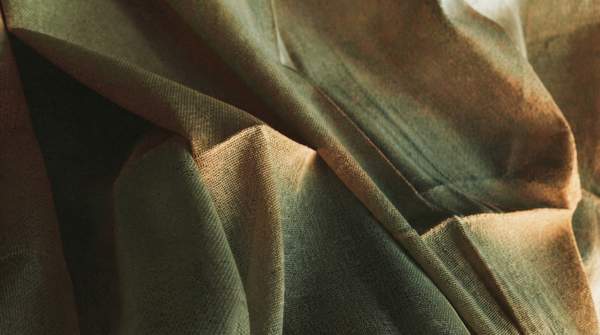
In 2023, Etsy reported a 15% year-over-year increase in gross merchandise sales for handmade items, reaching $3.1 billion, according to Etsy Investor Relations. Growth in handcrafted apparel and accessories signals a profound shift in consumer values. The tactile quality of a hand-stitched leather bag or the deliberate drape of a naturally dyed linen garment now captivates buyers.
For decades, fast fashion's convenience and low cost dominated the market. Yet, consumers now actively seek more expensive, slower-produced handmade items. The shift reveals a deeper societal craving for authenticity and connection in a digital world.
The handmade fashion sector appears poised to capture a significant, albeit niche, share of the apparel market. Larger brands must adapt or risk losing relevance among value-driven consumers.
Beyond Trends: The New Drivers of Handmade Appeal
Gen Z consumers, 68% of them, prioritize unique, custom-made items over mass-produced goods, according to Deloitte Consumer Insights. The desire for items that tell a story, embodying individual expression, moves beyond mere aesthetics. The deliberate creation process, from raw material to final stitch, imbues each piece with distinct character.
Consumers also pay more for ethical and sustainable fashion; 82% are willing, reports a NielsenIQ Consumer Report. Handmade production generates 70% less waste than fast fashion, notes Textile Exchange. The combination of reduced environmental impact and transparent labor practices draws consumers. They seek alignment with personal ethics, valuing enduring quality over fleeting trends. The implication is clear: authenticity and integrity now drive purchasing decisions, not just price or convenience.
The Numbers Don't Lie: A Growing Market
- $1.5 TRILLION — The global handmade market is projected to reach this value by 2030, growing at a CAGR of 12.5% from 2023, according to Grand View Research.
- 40% — Searches for 'custom clothing' and 'artisanal fashion' on Google Trends have increased by this percentage in the last two years, according to Google Trends Data.
- 25% — The number of independent fashion designers selling handmade goods online has grown by this figure since 2020, according to Shopify Merchant Data.

Robust figures confirm handmade fashion's transition from niche interest to significant economic force. The deliberate artistry, once confined to local craft fairs, now commands global attention. The transition signals a broader appreciation for the provenance and integrity of goods, challenging conventional retail models.
Digital Catalysts: How Technology Empowers Artisans
Social media platforms like Instagram and TikTok serve as primary discovery channels for 65% of handmade fashion brands, according to the Hootsuite Social Trends Report (2025 data). These visual platforms allow artisans to share intricate craft details, from sketch to finished product, fostering direct buyer connection. The narrative of an object's creation, often lost in mass production, becomes central to its appeal.
New digital tools for pattern making and small-batch production enable independent designers to scale without mass manufacturing, reports TechCrunch. The embrace of technology improves efficiency in bespoke creation; lead times for custom handmade garments have decreased by 22% due to better communication and logistics, according to Custom Apparel Magazine (2025 data). Digital innovation democratizes fashion production and distribution, allowing individual creators to compete and thrive in ways once impossible. The redefinition of the fashion industry's structure moves power to the artisan.
The Road Ahead: Challenges and Opportunities
The handmade fashion movement faces both significant opportunities and inherent limitations in scaling its ethical production.
- Fast fashion giants like Shein and Zara show slight growth deceleration in certain high-income demographics, according to Bloomberg Intelligence (2025 data).
- Skilled labor for handmade fashion remains in short supply; vocational training programs struggle to keep pace with demand, according to the Fashion Industry Association (2025 data).
- Small artisans often struggle with marketing and distribution compared to established brands, despite product quality, as noted by the Small Business Administration.
The handmade movement offers a compelling alternative, but its long-term scalability depends on addressing labor shortages and bolstering business infrastructure for independent creators. The deliberate pace and unique character of handmade goods inherently tension with broader market accessibility. Innovative solutions for sustainable growth are demanded, suggesting a future where craft must strategically embrace efficiency without sacrificing its core values.
Investing in Craft: A Sustainable Future for Fashion
- Craft fairs and artisan markets saw a 35% rise in attendance and vendor participation in 2025 compared to pre-pandemic levels, according to the National Craft Association.
- Average prices for bespoke garments have increased by 12-18% in major urban centers over the past year, reflecting higher demand, according to the Fashion Business Journal.
The increasing value placed on craftsmanship and unique expression points to a more sustainable and personalized future for the fashion industry, driven by conscious consumer choices. By 2026, independent artisans, like those featured at the Brentwood-Darlington Artisan Market, will likely expand their reach further, compelling mass retailers to integrate more ethical and handcrafted elements into their own offerings, or risk irrelevance.