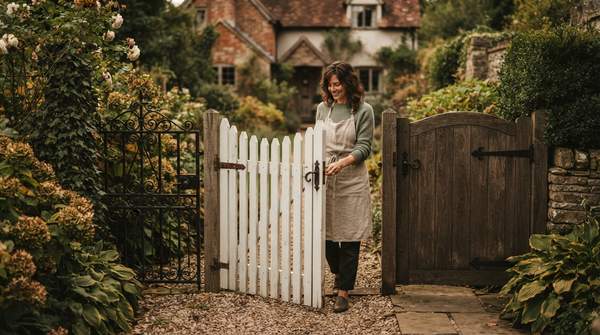
Selecting the right garden gate involves balancing aesthetic appeal with practical considerations like privacy, security, and maintenance. As a prominent feature of your home's exterior, a garden gate serves as both a welcoming entrance and a protective barrier. For homeowners designing or renovating their garden entrance, classic gate styles offer enduring charm and functionality, providing a timeless appeal that can significantly enhance curb appeal.
This guide compares three popular classic garden gate styles—wrought iron, picket, and solid wooden—across key criteria to help you make an informed decision that complements your home's architecture and meets your specific needs. Each style presents distinct material characteristics, varying levels of privacy and security, different maintenance demands, and compatibility with various architectural designs. By understanding these trade-offs, you can choose a gate that not only enhances your property's curb appeal but also serves its intended purpose effectively, ensuring a harmonious blend of form and function.
Wrought Iron Gates: Enduring Elegance and Security
Wrought iron gates are a popular choice, renowned for their classic, old-world feel and an unmatched sense of ornamental elegance, as described by Landscaping Network. While historically crafted from wrought iron, many modern versions are actually made from powder-coated steel, designed to replicate the traditional aesthetic. This contemporary approach, noted by Landscaping Network, ensures that the gates retain their classic look while benefiting from enhanced material properties.
The powder-coated finish on these modern steel gates plays a crucial role in their durability. According to Clifton Garden Cabin, this finish helps maintain an even color and significantly enhances the metal's resistance to rust, contributing to the gate's longevity and aesthetic appeal. Wrought iron gates are inherently durable and weather-resistant, making them a robust choice for any climate.
In terms of privacy and security, wrought iron gates offer a strong physical barrier. Landscaping Network highlights that custom wrought-iron gates can be created with intricate designs and patterns, such as trees, leaves, family names, or initials. While their open designs may offer less visual privacy than solid gates, the density of intricate patterns can still provide a degree of seclusion. Their sturdy construction makes them a formidable deterrent against unwanted entry, offering reliable security for your property.
Maintenance for wrought iron gates, particularly those with a powder-coated finish, is generally low. Their inherent durability and weather resistance mean minimal upkeep is required to preserve their appearance and structural integrity. This makes them an attractive option for homeowners seeking a long-lasting and visually striking entrance with less hands-on care. Architecturally, the sleek design and classic old-world feel of wrought iron gates allow for remarkable versatility, enabling them to complement a wide range of architectural styles, from traditional to modern and contemporary homes, without appearing outdated, as noted by Clifton Garden Cabin and Landscaping Network.
Picket Gates: Classic Charm with an Open Feel
Picket gates embody a quintessential classic wooden gate style, providing a natural and welcoming aesthetic to any garden, according to Landscaping Network. These gates are a specific design variation of wooden gates, offering a charming, open feel. Gardenista notes that wooden garden gates, including picket styles, can be customized with various features and are available in different wood types, allowing homeowners to tailor them to their specific preferences and the overall look of their property.
Regarding privacy and security, picket gates, by their very nature, offer less visual seclusion than solid designs due to the characteristic gaps between the pickets. Landscaping Network describes them as having an "open, picket-like style" which allows for airflow and a more expansive feel. While they may not block views entirely, Gardenista points out that they still provide a clear boundary and a sense of protection, effectively keeping unwanted visitors out. Their primary appeal often lies in their decorative quality and ability to define an entrance with a friendly, inviting presence rather than offering complete visual blockage.
Maintenance is a significant consideration for wooden picket gates. Landscaping Network advises that wooden fences and gates typically require regular upkeep, such as painting, sanding, or staining, at least every other year. This consistent maintenance is crucial to protect the wood from weathering, moisture, and potential decay, ensuring its longevity and preserving its appearance over time. Without proper care, wooden gates can suffer from issues like expansion, contraction, and fastener grip loss, as highlighted by Landscaping Network.
Architecturally, picket gates are a highly versatile choice, suitable for nearly any garden setting. Their classic design allows them to match various home styles, depending on the design of the accompanying fence and facade, according to Gardenista. Their natural aesthetic blends seamlessly with outdoor surroundings, creating a relaxed and inviting entrance that enhances the property's curb appeal. The ability to customize the wood type and finish further enhances their adaptability to different architectural contexts.
Solid Wooden Gates: Privacy, Customization, and Natural Beauty
Solid wooden gates offer a classic and warm appeal, providing a relaxed and welcoming entrance to any garden, as stated by Landscaping Network. These gates are highly customizable, allowing for a wide array of design possibilities. Landscaping Network notes that they can be tailored with various openings, hardware, and even integrated pergolas, offering homeowners significant creative freedom. Crafted from natural wood, they provide an organic aesthetic that resonates particularly well with traditional architectural styles, though their versatility allows them to complement many home designs.
When privacy is a primary concern, solid wooden gates excel. Their design inherently provides a high level of seclusion, effectively blocking views into the property. This solid construction also contributes to a greater sense of security, acting as a robust and imposing barrier against unwanted entry, as highlighted by Landscaping Network and Gardenista. The ability to customize the design means homeowners can tailor the gate to their specific privacy and security needs, choosing a height and construction that offers maximum visual blockage and physical protection.
However, solid wooden gates do require regular maintenance to preserve their beauty and structural integrity. Landscaping Network states that even with the selection of appropriate lumber, a wooden fence or gate will likely need painting, sanding, or staining at least every other year. This ongoing care is essential to protect the wood from decay, weathering, and the elements. Without consistent maintenance, wooden gates can experience issues such as expansion and contraction due to moisture, and fastener grip loss over time, which can compromise their functionality and appearance.
Architecturally, solid wooden gates are a versatile choice, capable of complementing a wide array of home styles, especially those with a traditional, rustic, or craftsman aesthetic, due to their natural material and customizable designs. Their substantial presence can create a grand entrance, particularly with bi-parting designs, making the entrance to your home seem more impressive, according to Landscaping Network. The warmth and natural texture of wood allow these gates to blend harmoniously with garden landscapes and various building materials.
Garden Gate Selection Framework
Homeowners can use this framework to systematically compare classic garden gate styles based on their specific needs for material, privacy/security, maintenance, and architectural aesthetic, leading to an informed decision.
| Gate Style | Material Characteristics | Privacy/Security | Maintenance Needs | Architectural Compatibility |
|---|---|---|---|---|
| Wrought Iron Gate | Durable, weather-resistant steel (often powder-coated for modern versions). | Offers robust security; privacy depends on design intricacy (more open by default). | Extremely durable and weather-resistant, implying low maintenance, especially when powder-coated. | Classic old-world feel; versatile for modern, contemporary, or traditional homes due to sleek design. |
| Picket Gate | Classic wooden gate style, natural aesthetic, customizable in various wood types. | Offers an open feel, providing less privacy than solid designs, but still offers protection. | Requires regular maintenance (painting, sanding, staining) at least every other year to protect against weathering. | Classic choice suitable for any garden; matches various architectural styles depending on fence and facade; natural aesthetic blends seamlessly. |
| Solid Wooden Gate | Natural wood, highly customizable, offers a warm and classic appeal. | Provides high privacy and robust security due to solid construction. | Requires regular maintenance (painting, sanding, staining) at least every other year to prevent decay and weathering. | Classic and warm appeal, often resonating with traditional styles; versatile for various home aesthetics. |
Your Ideal Garden Gate: A Harmonious Choice
To make the best selection, homeowners should select a garden gate style that aligns with your home's architectural cues, desired level of privacy and security, and realistic maintenance tolerance. The chosen gate should visually complement the property's existing aesthetic and fulfill functional requirements without unexpected upkeep. Consider how each style's material, design, and maintenance demands fit into your lifestyle and the overall vision for your garden entrance, ensuring a harmonious and functional addition to your home.