The Royal Palace of Stockholm, a working residence for the Swedish monarch, boasts over 600 rooms, establishing it as one of Europe's largest palaces. These lavish properties, maintained into 2026, reflect the enduring legacy of the Swedish Royal Family, serving both public and private functions. Drottningholm Palace, a UNESCO World Heritage Site commissioned in the 17th century, exemplifies this dual nature, featuring original 17th-century interiors and an 18th-century theater while also functioning as the monarch's private sanctuary, according to Elledecor.
Sweden's royal palaces are presented as accessible national heritage sites, but their continued existence and public enjoyment are directly supported by significant admission fees and annual passes. Significant admission fees and annual passes create a tension between their cultural designation and their operational funding model.
Public discourse around the Swedish monarchy will likely increasingly scrutinize the financial sustainability and public benefit derived from these extensive royal properties.
Historic Grandeur and Public Access
- Gripsholm Castle, a 14th-century fortress reconstructed in the 16th century, operates largely as a museum, according to Elledecor.
- Admission to The Royal Palace costs SEK 220 or SEK 240 for adults, and SEK 110 or SEK 120 for children aged 7-17, with higher prices applicable from May to September, according to kungligaslotten.se.
- Gripsholm Castle admission is SEK 170 for adults and SEK 85 for children aged 7-17, according to kungligaslotten.se.
These varied admission structures show how the palaces are managed as public attractions, generating revenue based on their distinct offerings and operational needs. Such pricing reflects their individual historical value and the costs associated with their preservation and public presentation.
The Cost of Royal Heritage
An annual card for the Royal Palaces costs SEK 500 for adults, students, and children aged 7-17, according to kungligaslotten.se. This price point for young visitors is more than double the single adult admission for Gripsholm Castle, which is SEK 170. The availability of such an annual pass promotes repeat visits and broader public engagement with royal heritage. However, the significant admission fees, including the SEK 500 annual card for children as young as seven, show that Sweden's royal palaces function as sophisticated revenue-generating enterprises, effectively privatizing access to national heritage.
Balancing Preservation with Public Expectations
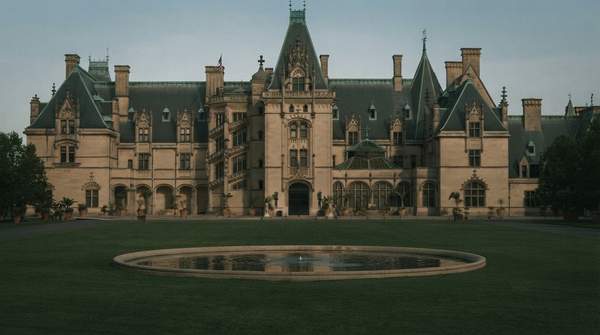
Drottningholm Palace is described as both a UNESCO World Heritage Site and the monarch's 'private sanctuary' by elledecor.com, highlighting a tension between its universal public value and its exclusive private use. The scale of properties like the 600-room Stockholm Royal Palace suggests immense upkeep expenses, according to elledecor.com. When offset by substantial admission fees, public visitation becomes a primary funding mechanism for these vast, historically significant sites. By charging premium prices for entry, especially during peak seasons, the Swedish Royal Family subtly shifts the financial burden of maintaining these properties from state coffers to individual visitors, prompting questions about true public ownership.
Future of Royal Palaces in a Modern Monarchy
As public scrutiny of royal expenditures continues, the Swedish Royal Family may face increasing pressure to justify the costs associated with their palaces, potentially leading to new strategies for public engagement or funding. The ongoing maintenance and preservation of these extensive historical estates present a continuous challenge, requiring a delicate balance between honoring heritage and meeting contemporary public expectations regarding royal finances and accessibility. The Royal Court of Sweden will likely need to present clearer financial reports on palace upkeep, potentially adjusting admission fees or expanding public-private partnerships to sustain these national treasures.
Common Questions About Sweden's Royal Palaces
What are the most famous Swedish royal palaces?
Beyond the Royal Palace of Stockholm and Gripsholm Castle, Drottningholm Palace stands out. It is particularly renowned for its 18th-century theatre and extensive baroque garden, which contribute significantly to its UNESCO World Heritage status. These features attract visitors globally, offering a glimpse into 17th-century European royal life.
How much do Swedish royal palaces cost to maintain?
While specific figures for total maintenance are not publicly detailed in the provided sources, the sheer scale of properties like the 600-room Royal Palace implies substantial upkeep expenses. The state contributes to their preservation, with visitor fees and annual passes, such as the SEK 500 annual card, significantly augmenting this support.
Are Swedish royal palaces open to the public?
Many Swedish royal palaces are open for public visitation, though access often entails an admission fee. At the Royal Palace, for instance, the Royal Apartments, the Treasury, and the Tre Kronor Museum are generally accessible to visitors. However, certain areas, particularly within Drottningholm Palace, remain private as it serves as the monarch's primary residence.