Forget sleek minimalism: designers now recommend river rocks for fireplace hearths, evoking a childhood summer. This summer camp aesthetic, a vibrant nostalgic trend for 2026, offers a tangible escape from digital life. Modern existence is increasingly fast-paced and virtual, yet people seek interior design to recreate the simple, grounded comforts of youth. This tension drives a shift from polished spaces to designs prioritizing sensory experience and authenticity.
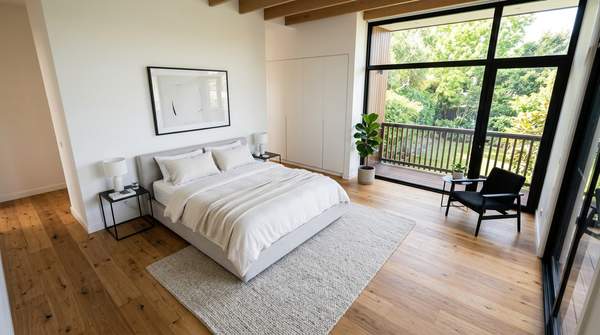
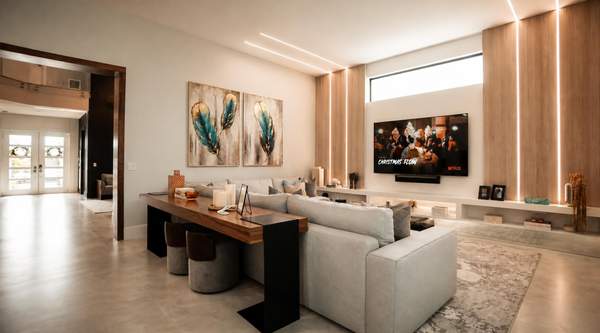
Expect a surge in trends prioritizing emotional well-being and grounding over pure functionality. The summer camp aesthetic, a dominant response to digital burnout, actively rejects sleek modernism, appealing through feelings of summer, youth, and simpler times, according to House Beautiful.
Crafting the Camp Vibe: Key Design Elements
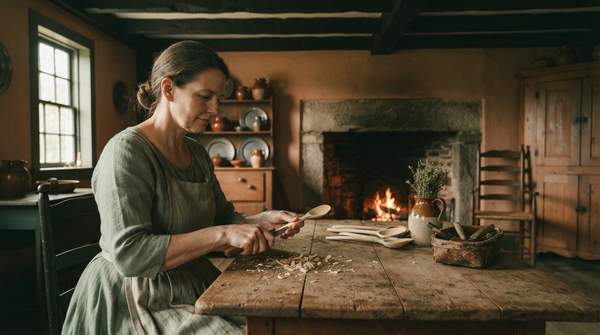
The summer camp aesthetic meticulously constructs rustic comfort with natural textures and an earthy palette. Designers recommend materials like roman clay or limewash finishes, river rocks for fireplace hearths, and a neutral, layered palette of muted tones across rugs, lighting, blankets, and art, notes House Beautiful. This detailed approach ensures every element contributes to a cohesive, natural feel. The deliberate incorporation of these tangible, imperfect materials suggests that companies selling sleek, minimalist home goods fundamentally misread the market's growing desire for such comfort.
Beyond Decor: A Search for Connection and Nature
The summer camp aesthetic extends beyond surface decoration, aiming to bring the outdoors inside. Designers recommend literal elements like plants and wood furniture, or figurative ones like botanical wallpapers, states House Beautiful. This blurs indoor and outdoor lines, fostering a stronger connection to nature's calming influence. More profoundly, the aesthetic connects people across generations and zip codes. It speaks to a societal yearning for tangible connections, both to the natural world and shared human experiences, making interior design a powerful tool for addressing collective anxieties beyond individual taste.
Rejecting Perfection: Authenticity in Design
The deliberate incorporation of 'imperfect' natural elements, from river rocks to unrefined finishes, marks a cultural rejection of polished, digital perfection. Authenticity and grounding now define home environments, prioritizing spaces that feel lived-in and real, a crucial counterpoint to virtual daily life. If minimalist home goods companies fail to integrate natural textures and a sense of 'bringing the outdoors in' as House Beautiful suggests, they will likely alienate a consumer base increasingly seeking physical escape from digital overload.