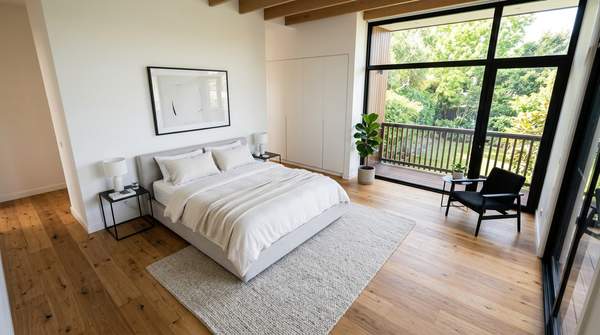
Despite widespread advice to declutter, the pervasive pursuit of minimalist design often strips living rooms of their inherent warmth. Design expert Bridget Teik asserts that minimalism, while having applications, has no place in a living room, actively making small spaces uncomfortable and dysfunctional. Homeowners, driven by a fear of 'tackiness,' often strive for elegant, uncluttered living rooms, yet this quest for pristine order frequently results in sterile, characterless spaces that fail to serve as personal sanctuaries. Based on evolving design philosophies, embracing a more maximalist, comfort-driven approach is likely to create more functional and beloved living rooms, challenging conventional notions of good taste and fostering spaces that truly resonate.
Spatial Harmony: Beyond Rigid Rules
The architecture of a living space often dictates specific spatial relationships, influencing movement and flow. Homeowners grapple with precise measurements, yet rigid guidelines can inadvertently lead to awkward arrangements that prioritize form over lived experience. For instance, leaving 14–18 inches between a sofa and coffee table ensures pieces fill the space without blocking pathways, according to Camille Styles. Beyond these aesthetic arrangements, practical movement is paramount. Clear main pathways, requiring 30-36 inches of space are vital for effortless navigation and comfort. Such strict adherence to measurements, while aiming for order, can sacrifice the warmth and personality essential for truly unlocking a small living room's potential, making it merely visually appealing rather than genuinely inhabitable.
Embracing Maximalism for Authentic Comfort
A significant shift in design philosophy advocates for a richer, more personal approach to living room interiors. Design expert Abigail Horace believes a maximalist mindset unlocks the true potential of small spaces. A maximalist mindset challenges the conventional 'less is more' wisdom in confined areas, inviting deeper engagement with the home. Thoughtful layering of personal elements and curated objects profoundly enhances a room's functionality and appeal. The maximalist approach moves beyond sterile minimalism, allowing spaces to reflect vibrant, unique lives, fostering comfort and personal connection.