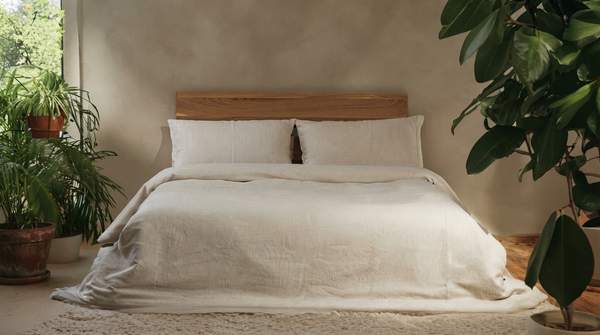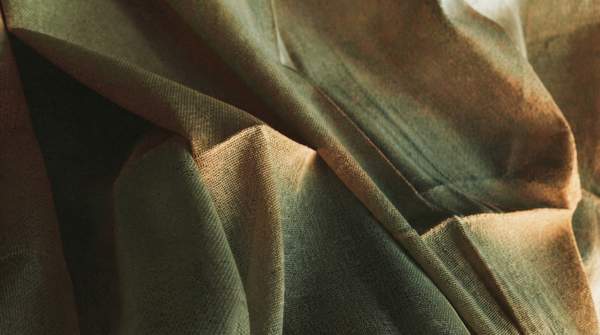
Choosing an artisanal textile for your home is about more than color and pattern; it is an appreciation for a story woven from the earth. The final character of a hand-crafted fabric is determined by the interplay between its fundamental material—be it cotton, wool, silk, or linen—and the traditional techniques used by its maker. To make an informed choice, one must understand this relationship, recognizing how the journey from raw fiber to finished cloth shapes its texture, drape, and spirit.
The Foundation of Artisanal Textiles
For millennia, humans have created textiles from the natural fibers of plants and animals. An online exhibit from Cornell University Library notes that wool has been used in textile production for an estimated 12,000 years, with cotton and silk following for at least 7,000 and 6,000 years, respectively. These materials were the exclusive source for all fabrics until the invention of man-made fibers in the late 19th century. Natural fibers possess inherent qualities, such as the ability to wick moisture and breathe, that lend them to creating textiles that can both warm and cool.
While the image of hand-weaving can seem romantic, historical textile production was a highly technical and complex process. According to an article by Bily Dimoski for Deepwear, creating a finished textile required deep knowledge of everything from fiber preparation and spinning to dyeing and weaving structures. The quality of the final piece depended on decisions made at every stage, as a material like wool required entirely different handling than linen or silk. This tradition of material expertise continues in the work of artisans today.
Plant-Based Fibers: Cotton and Linen
Fibers sourced from plants form the backbone of many of the world's most cherished textile traditions. Cotton, derived from the cotton plant, is the most widely used natural fiber. It can be spun into thread and woven or printed upon, allowing for endless design possibilities. In India, for example, this specific construction is the structural foundation of Khadi and other traditional handloom textiles, which the sustainable fabric company Anuprerna describes as symbolizing artisanal self-reliance. Artisans often work with high-quality cotton to create hand-woven pieces.
Linen, another ancient plant-based fiber, is also regarded as a high-quality material. Like cotton, it has been used for millennia to create textiles. Both fibers can be transformed through various techniques, including dyeing methods that create intricate patterns. The choice of a plant-based textile often brings a sense of lightness and breathability to a space, connecting it to the agricultural cycles from which it originated.